CAMILLE PISSARRO (1830-1903) Paysage à Louveciennes
Лот 8
25 00035 000
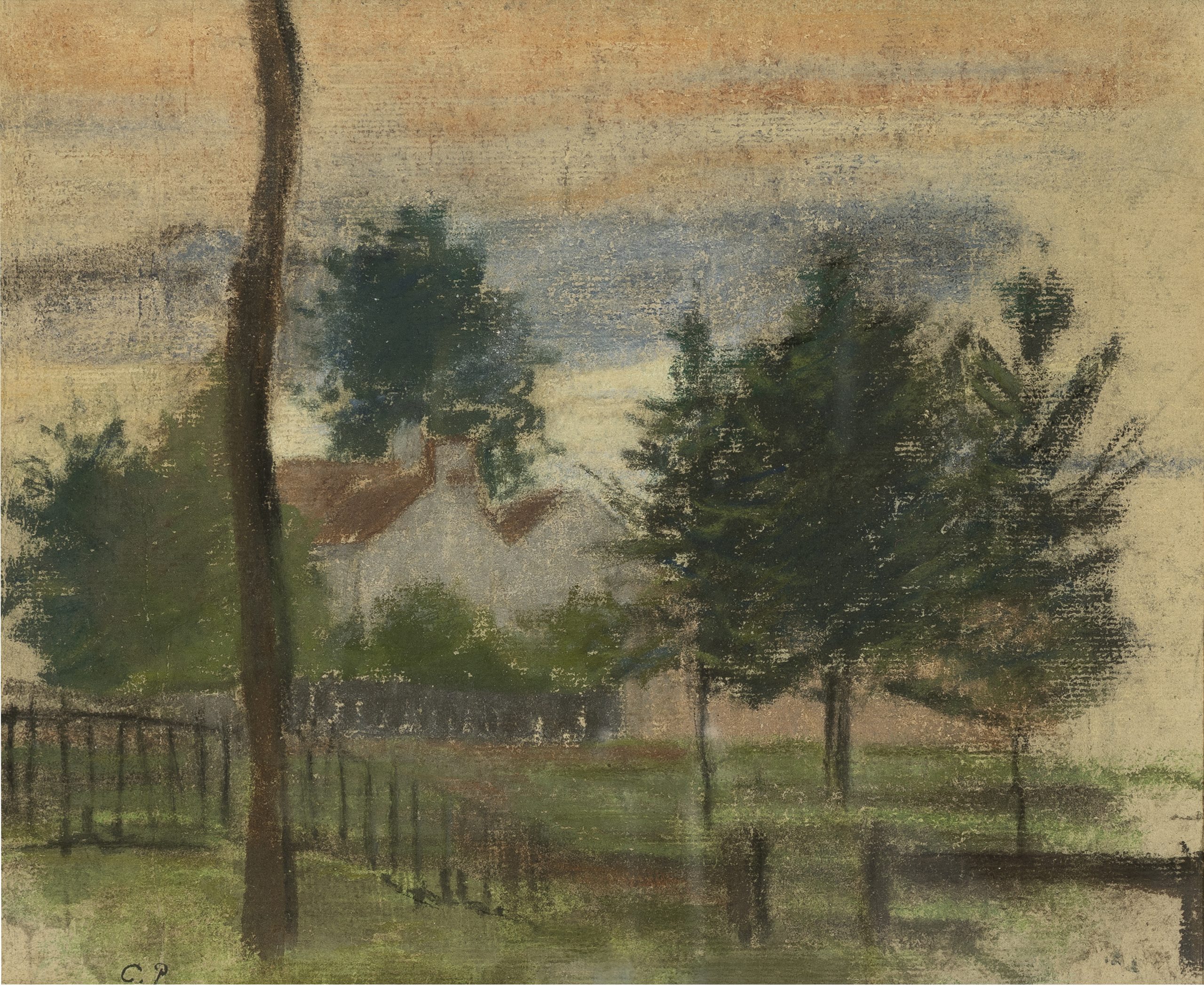
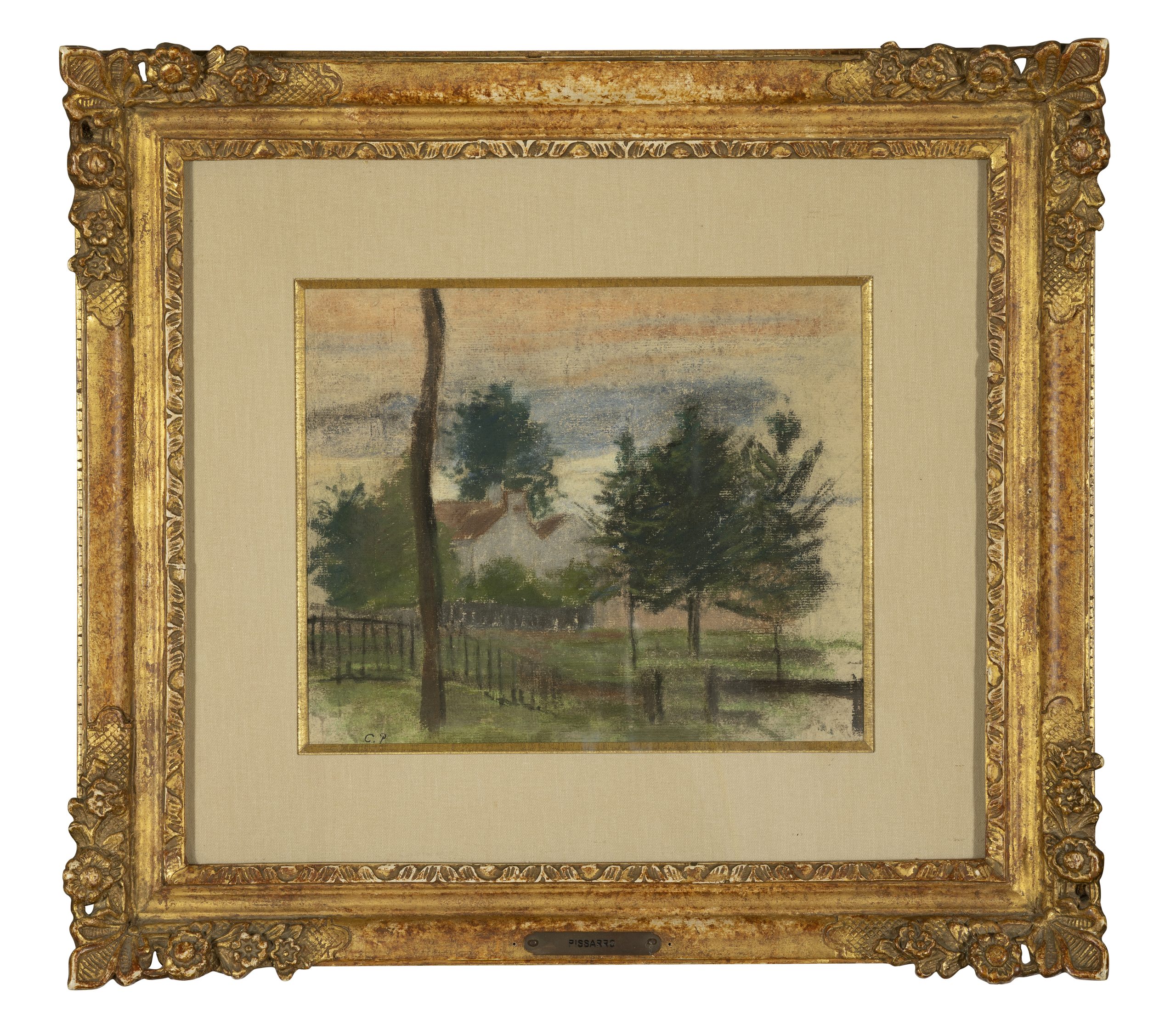
monogram ‘C.P.’(lower left)
pastel on paper
22.8 x 27.6 cm
Executed circa 1869
PROVENANCE:
Lucien Pissarro [the artist’s son], London.
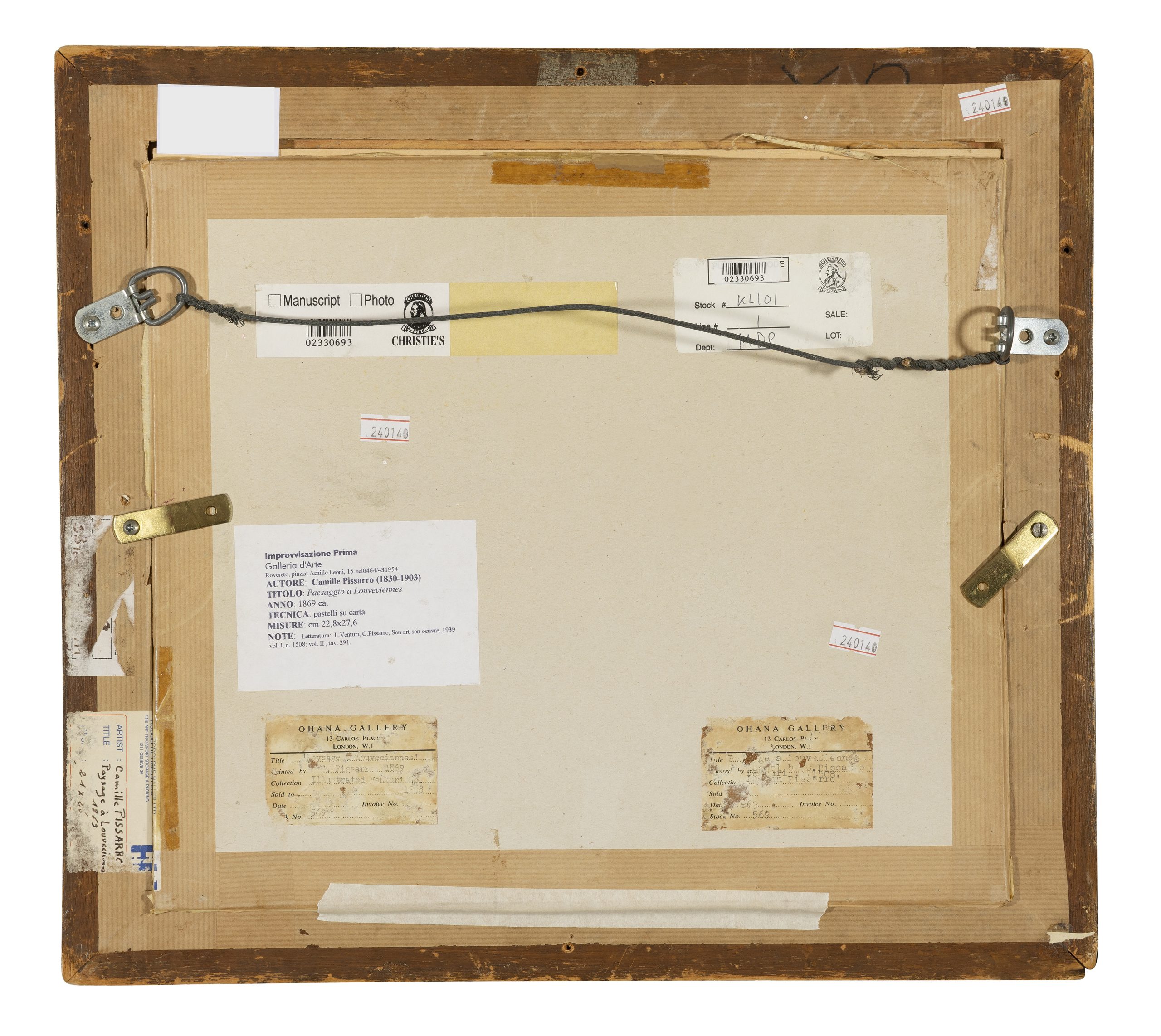
O’Hana Gallery, London, from 1957 to March 1975 (label on the reverse).
Sotheby’s New York, Impressionist - Modern And Contemporary Painting - Drawings And Sculpture, 19.10.1995, lot 5.
Christie’s New York, Impressionist and Modern Paintings, Drawings And Sculpture Part II, 12.11.1997, lot 230.
Private collection.
LITERATURE:
L. R. Pissarro e L. Venturi, Camille Pissarro, son art-son oeuvre, Paris, 1939, Vol. I, p. 289, no. 1508, ill. Vol II, no. 291
Paysage à Louveciennes belongs to a pivotal period in Camille Pissarro’s artistic development. Having settled in Louveciennes in the spring of 1869, the artist found an environment particularly conducive to his investigations into landscape and the effects of light. The village and its surroundings became a veritable open-air laboratory, frequented at the same time by several artists who would form the nucleus of the future Impressionist movement, notably Claude Monet, Alfred Sisley and Auguste Renoir.
Executed circa 1869, the present pastel reflects Pissarro’s growing interest in working en plein air and in directly capturing atmospheric variations. At this time, his artistic language was gradually evolving: his compositions remained structured around simple planes and close observation of the motif, while his handling became freer and increasingly responsive to the effects of light and colour. The Louveciennes period thus represents a crucial stage in the artist’s progression towards Impressionism.
The choice of pastel, a medium particularly suited to spontaneity and the recording of fleeting effects, enabled Pissarro to capture the landscape with remarkable immediacy. The present work belongs to a group of views of Louveciennes Executed by the artist from
1869 onwards, reflecting his sustained observation of changes in nature, the seasons and light in the immediate surroundings of his new home.
The significance of this early period is heightened by the considerable loss of Pissarro’s work during the Franco-Prussian War. Forced to leave Louveciennes in 1870 as Prussian troops advanced, the artist subsequently discovered that much of the work he had left behind had been destroyed.
Writing from England to Louis Retrou in 1871, Pissarro lamented the scale of the loss:
'Il a pu en sauver une quarantaine et j’en avais de douze à quinze cents, tableaux, études, croquis, le travail de vingt ans de ma vie.'
('He managed to save about forty, whereas I had between twelve and fifteen hundred paintings, studies and sketches—the work of twenty years of my life.')
This destruction makes surviving works from the years preceding the war particularly significant, offering valuable insight into Pissarro’s artistic development immediately before the emergence of Impressionism.