VLADIMIR OVCHINNIKOV (1941-2015) First snow
Лот 477
5 0008 000
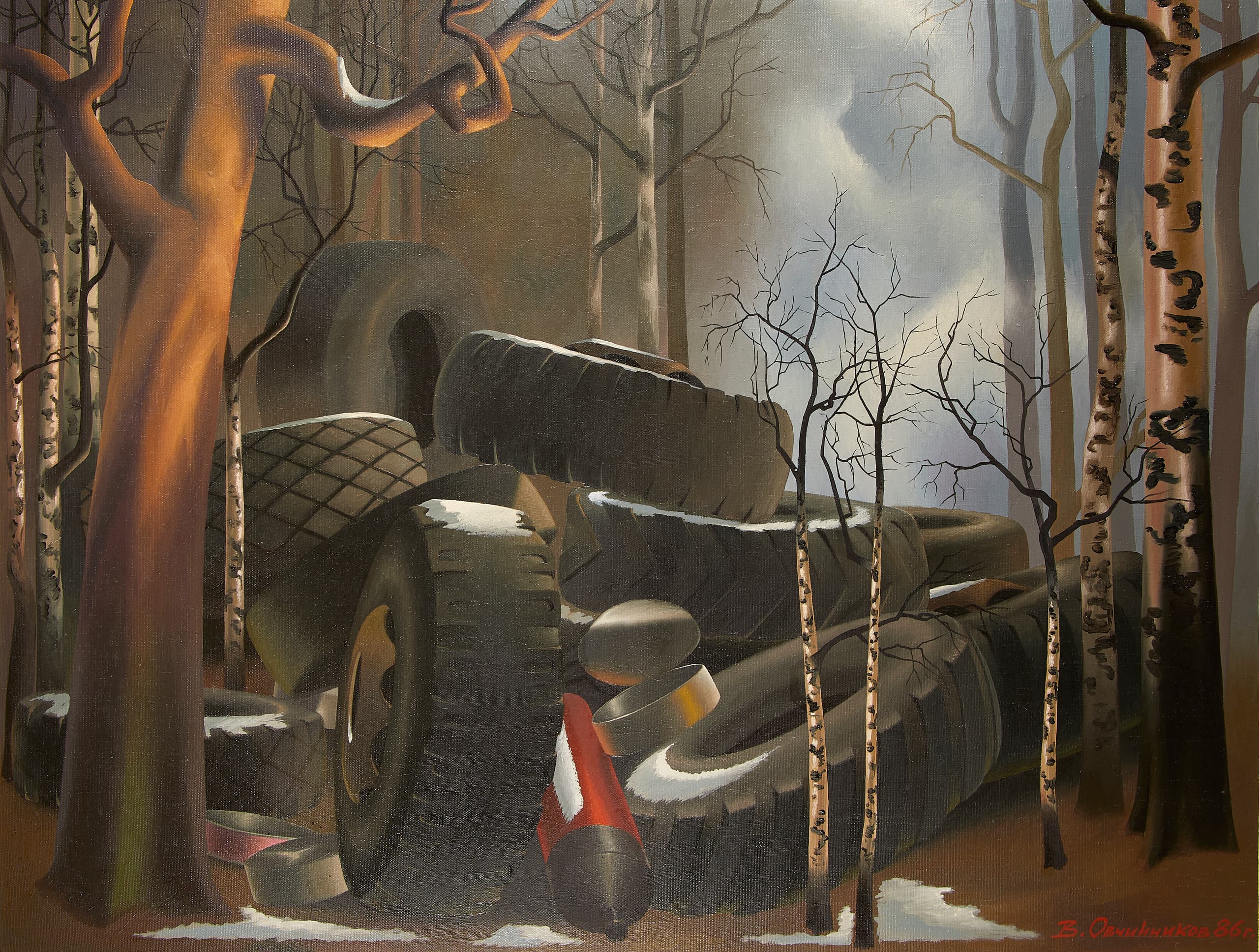
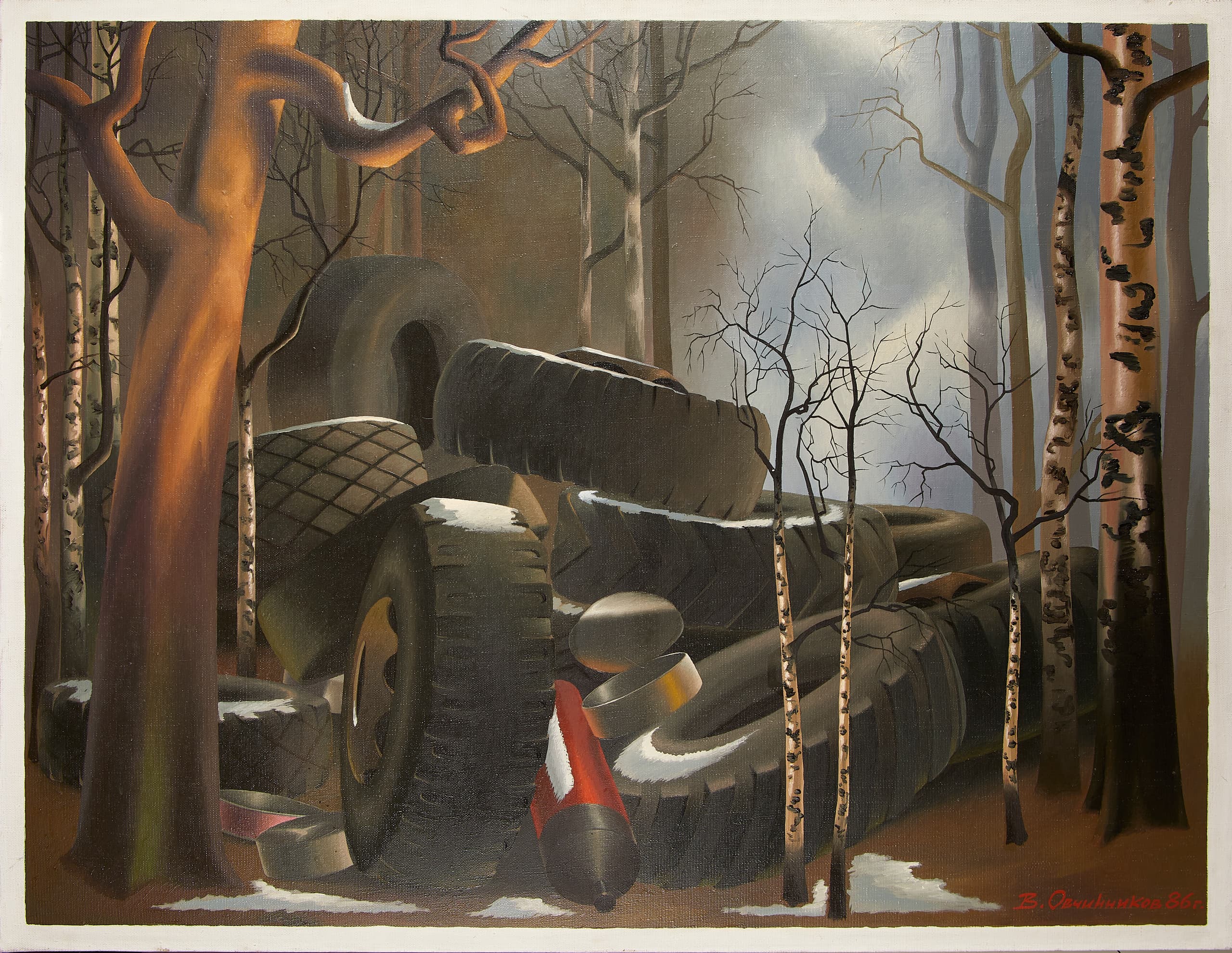
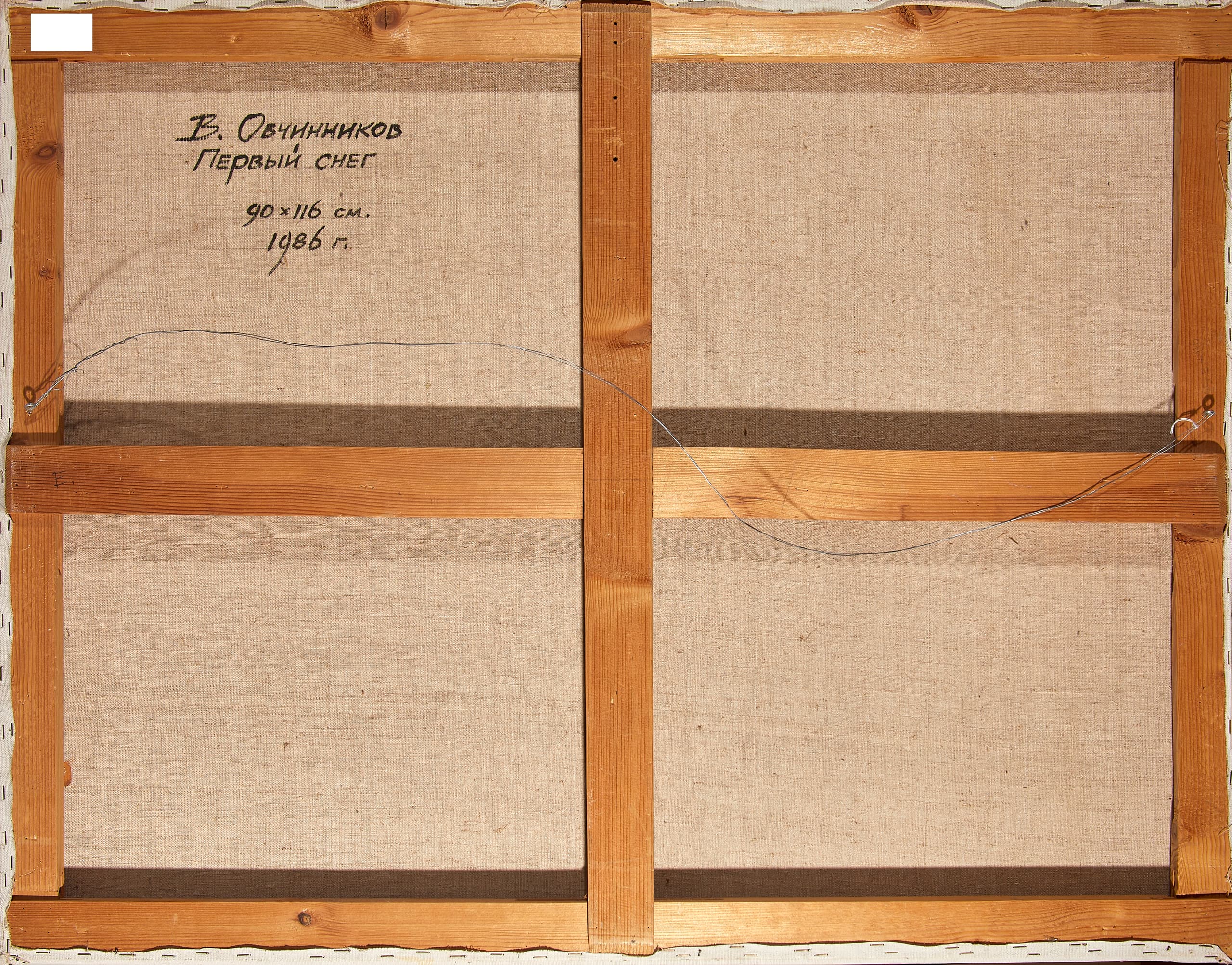
signed in Cyrillic and dated ’V Ovchinnikov 86’ (lower right), signed, titled and dated (on the reverse)
oil on canvas
90 x 116 cm
painted in 1986
Born in the suburb of Shuvalovo outside of Leningrad, his early childhood was immersed in nature and visual beauty. Yet he consciously rejected formal Soviet art education, sensing even as a young man that its ideological pressure would crush his individuality: 'I always felt too weak to withstand that kind of pressure and remain myself.'
He educated himself by wandering libraries, markets, and train stations, and working in churches and museums. A pivotal experience came during his time at the Mariinsky (Kirov) Theatre (1961–63), where, under veteran stage designer Kirill Kustodiev, he developed a deep sense of visual narrative and scenography that later informed his painting.
In 1964, Ovchinnikov gained public attention as one of the five artists behind the Hermitage Five exhibition—a provocative event at the State Hermitage Museum that challenged official Soviet aesthetics. Alongside Shemyakin, Kravchenko, Lyagachev, and Ufliand, he became a key figure in Leningrad’s unofficial art scene.
The following years were marked by intense work: copying Old Masters in the Hermitage, painting murals in churches across Pskov and Kemerovo, and refining a visual language that was both intimate and subversive. From 1986, his work began appearing in exhibitions across St. Petersburg, New York, Paris, Tartu, and Cologne. He turned to sculpture in 1994, expanding his creative scope.
Ovchinnikov’s works are now held in major public collections, including the State Hermitage Museum, the State Russian Museum, the Metropolitan Museum of Art, the Beijing Art Museum, and the Tartu Art Museum.
In first Snow, an old tire dump set within a classical stage-like grove—with birch trees, long a symbol of Russia—becomes a quiet allegory of post-Soviet reality: a collision of natural and artificial worlds. For Ovchinnikov, this uneasy coexistence of forest and discarded rubber is his homeland: an awkward, artificial juxtaposition of two worlds. His art consistently weaves together precise observation and classical subjects with deeply personal symbolism—revealing not just what is seen, but what it signifies.
‘The first snow’ is a recurring and emotionally charged motif in Russian landscape painting, which, in his interpretation, becomes a visual quintessence of the Russian landscape and soul as seen through the eyes of a Soviet nonconformist.