JEAN NOUVEL (B. 1945) Simple
Lotto 42
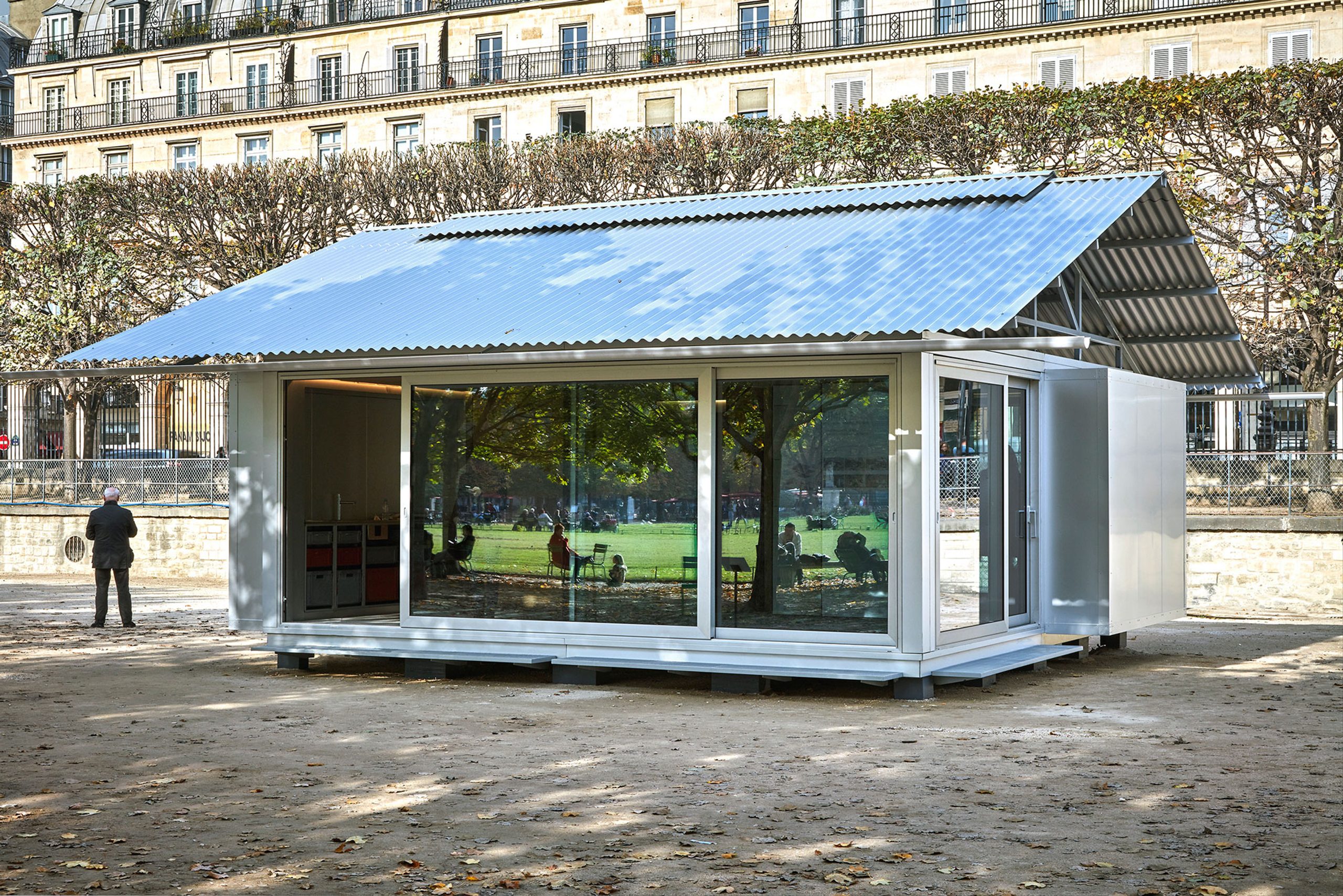
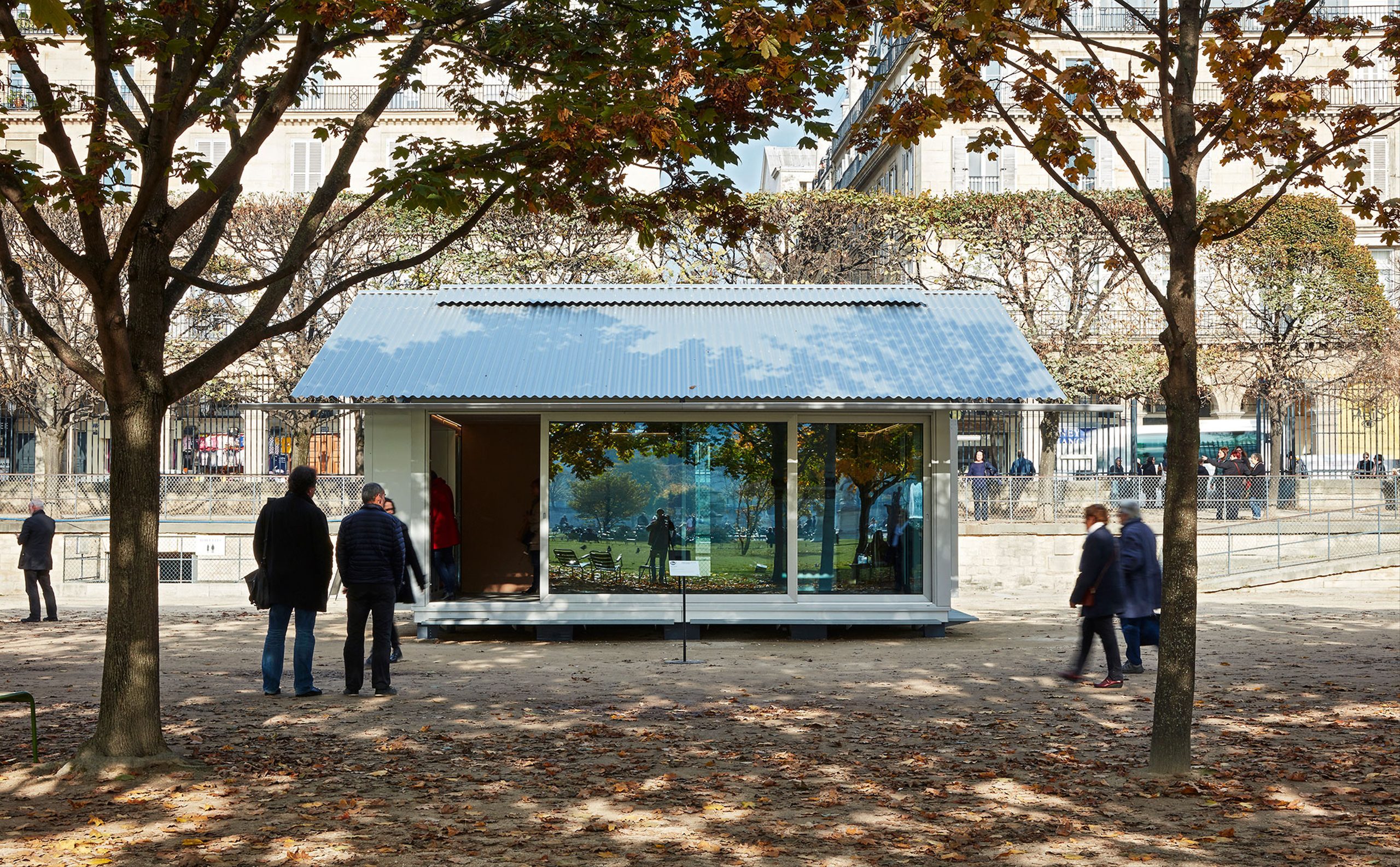
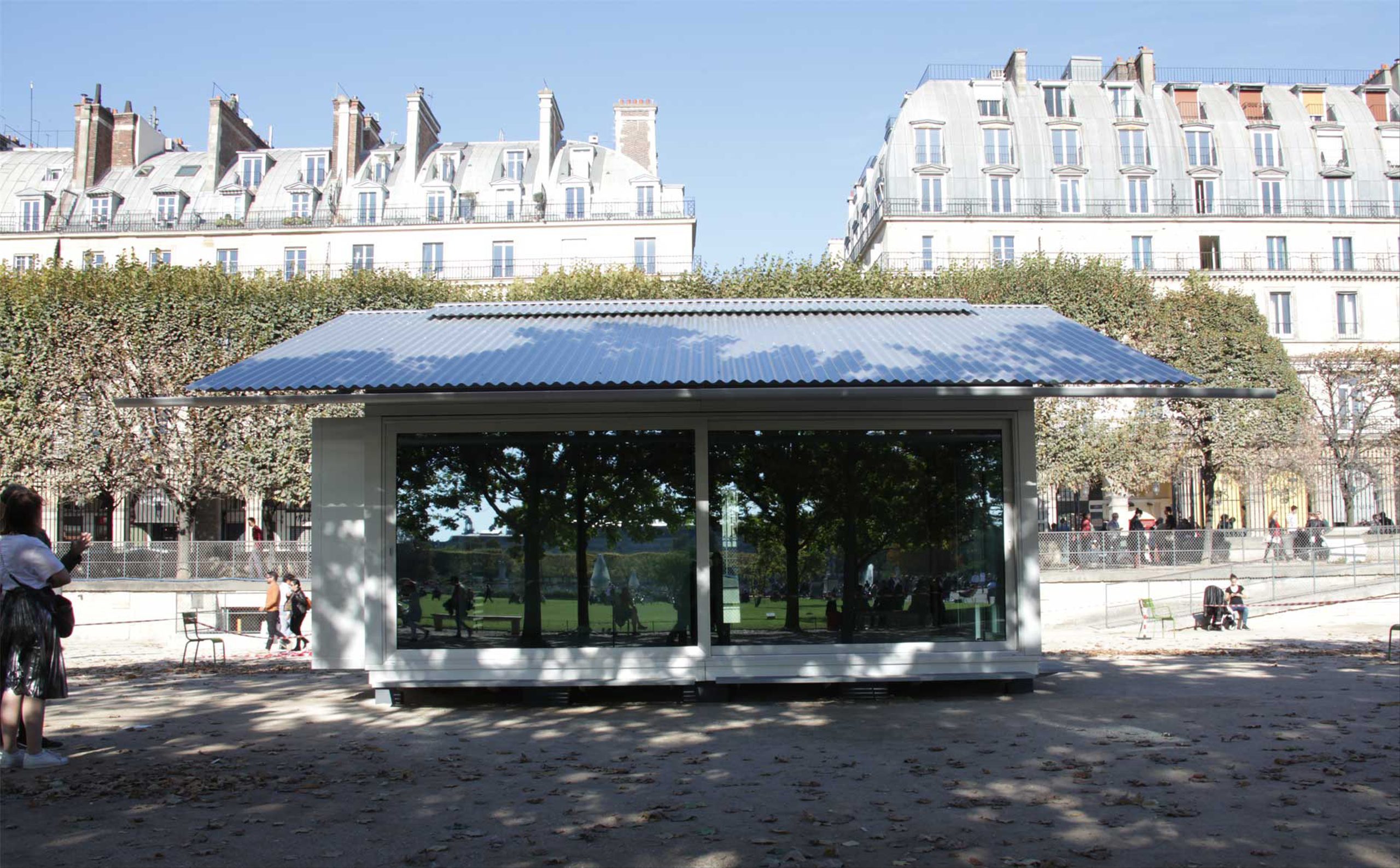
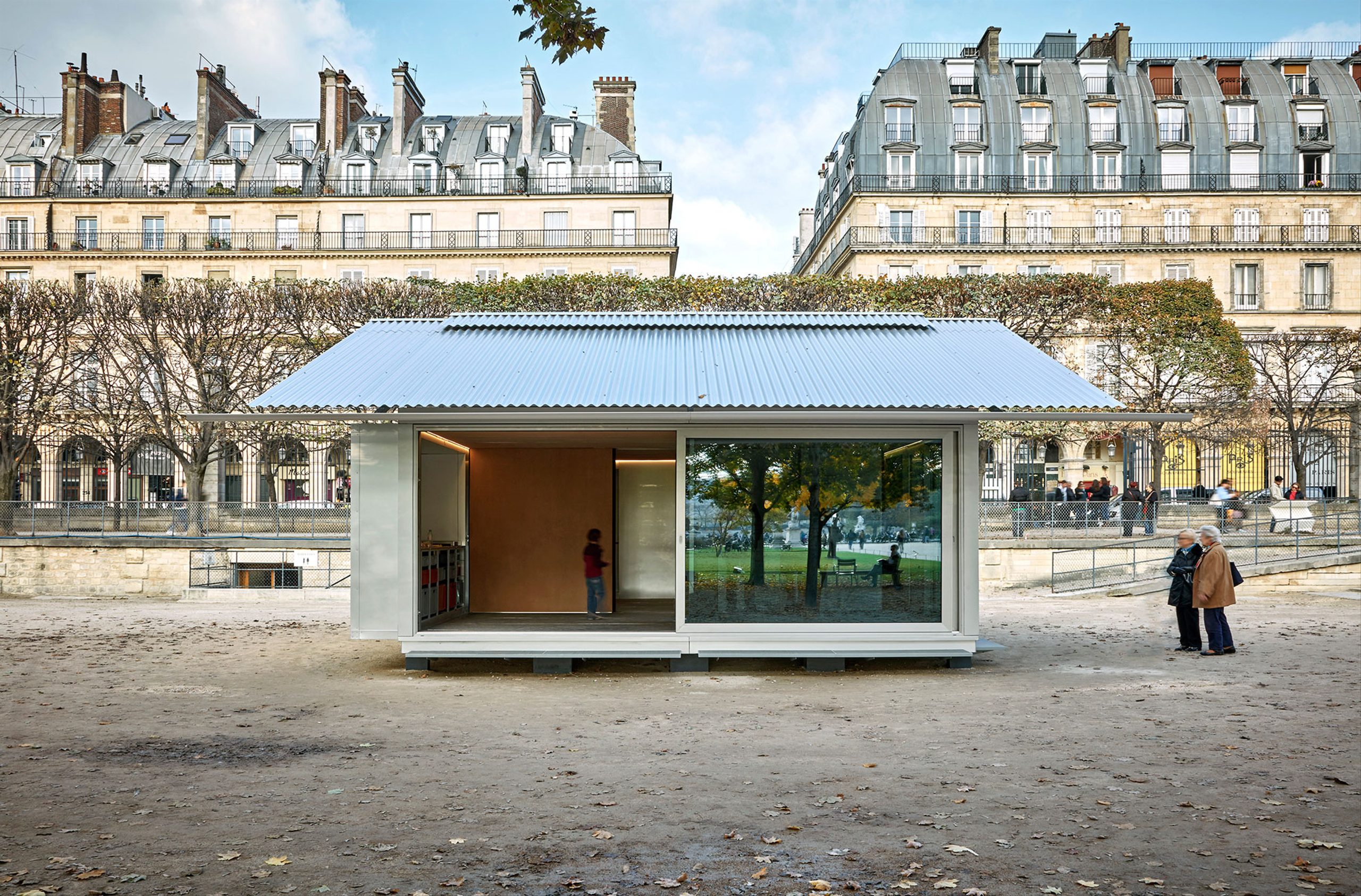
Edition: Unique piece
Provenance:
Direct from studio
Exhibited:
FIAC 2016 – Tuileries Garden, Louvre Museum, Paris, France
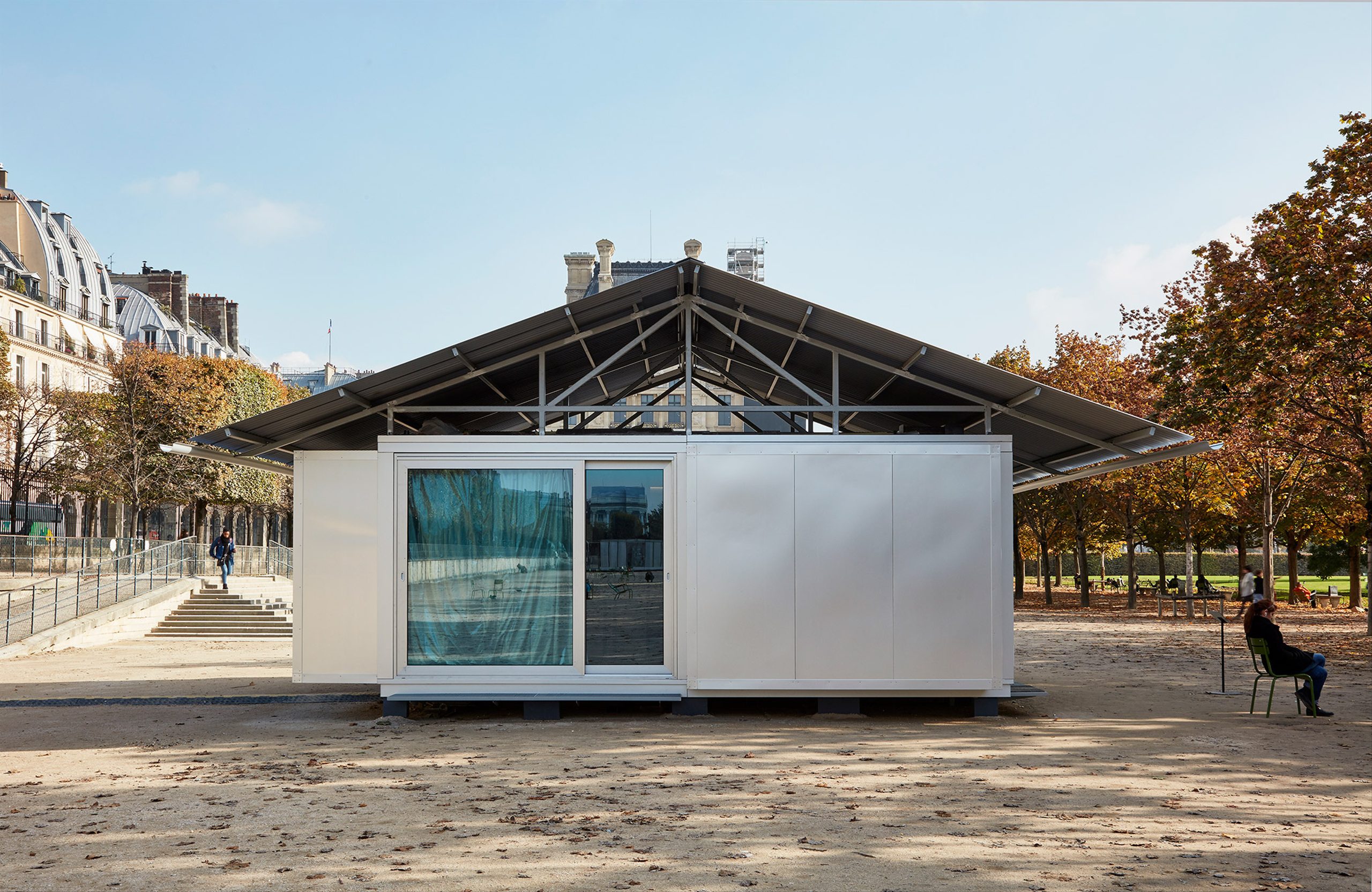
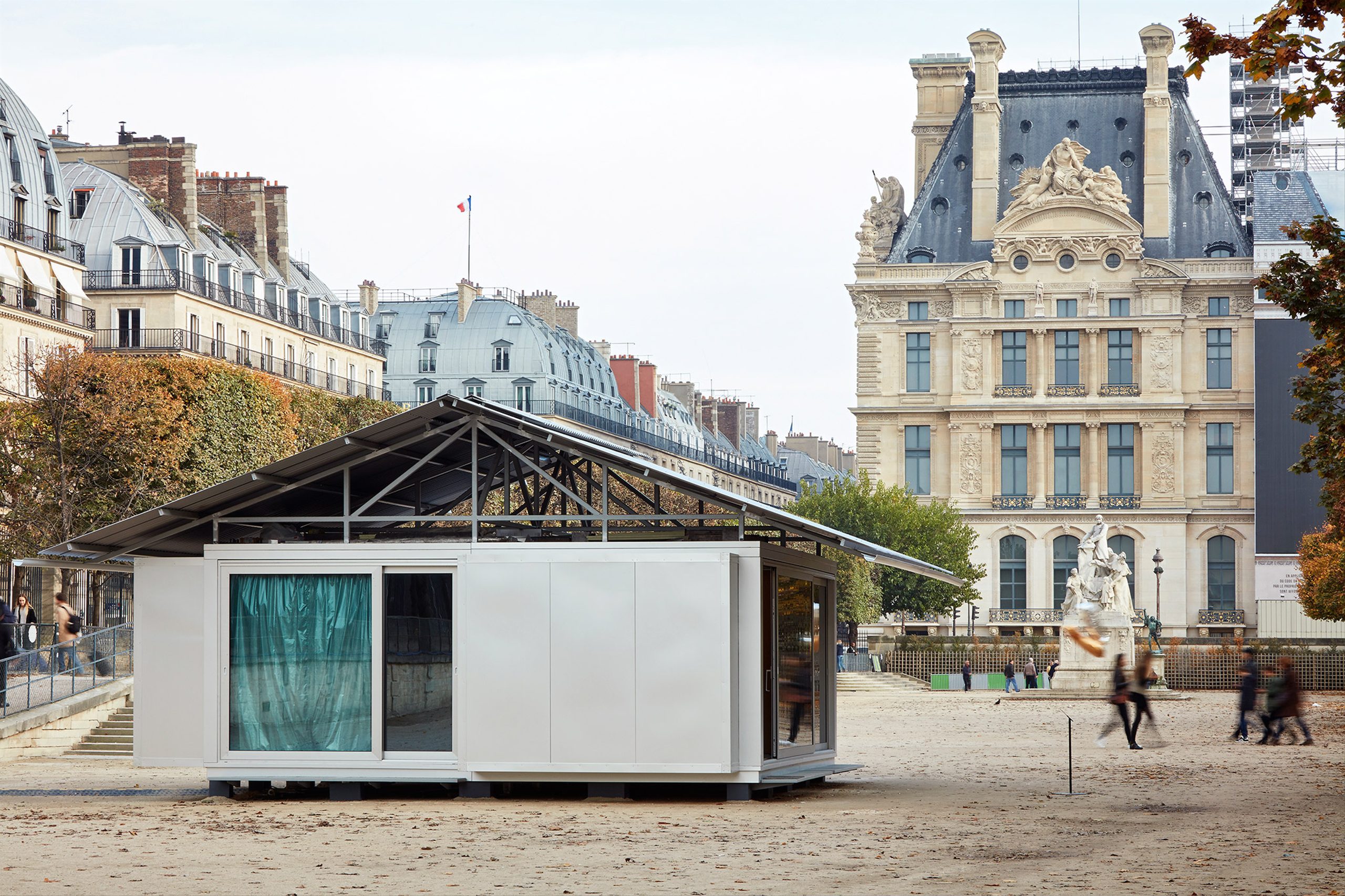
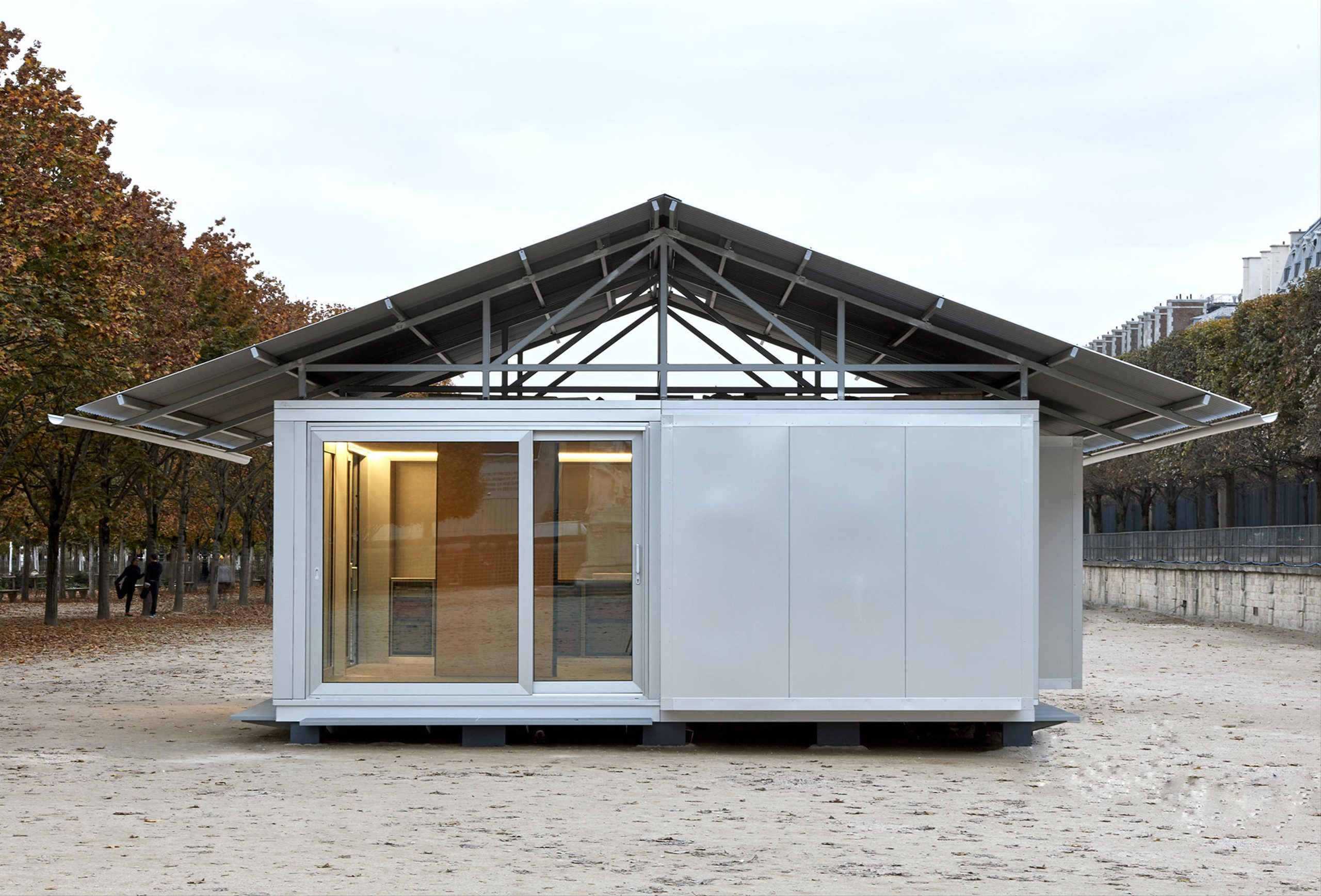
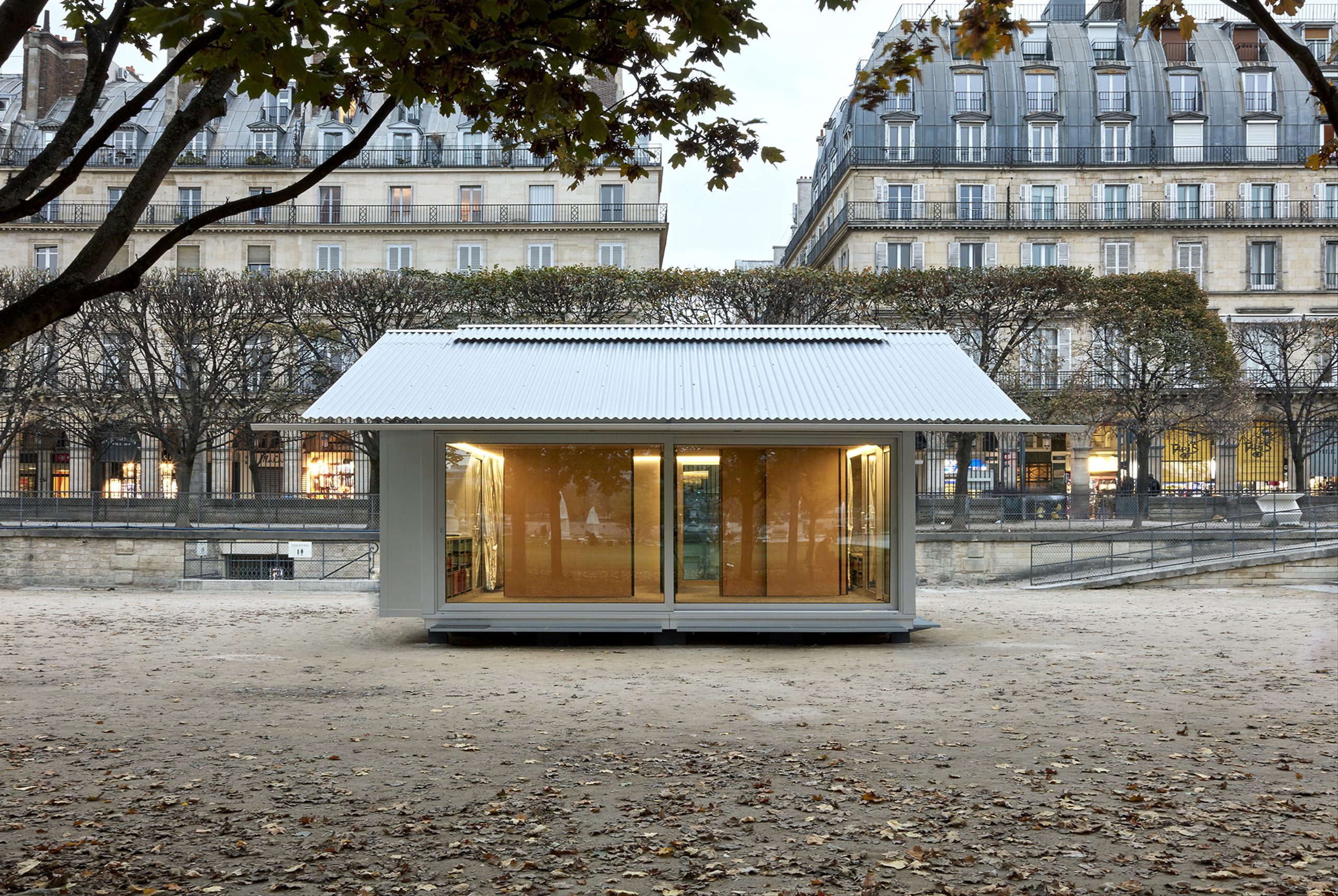
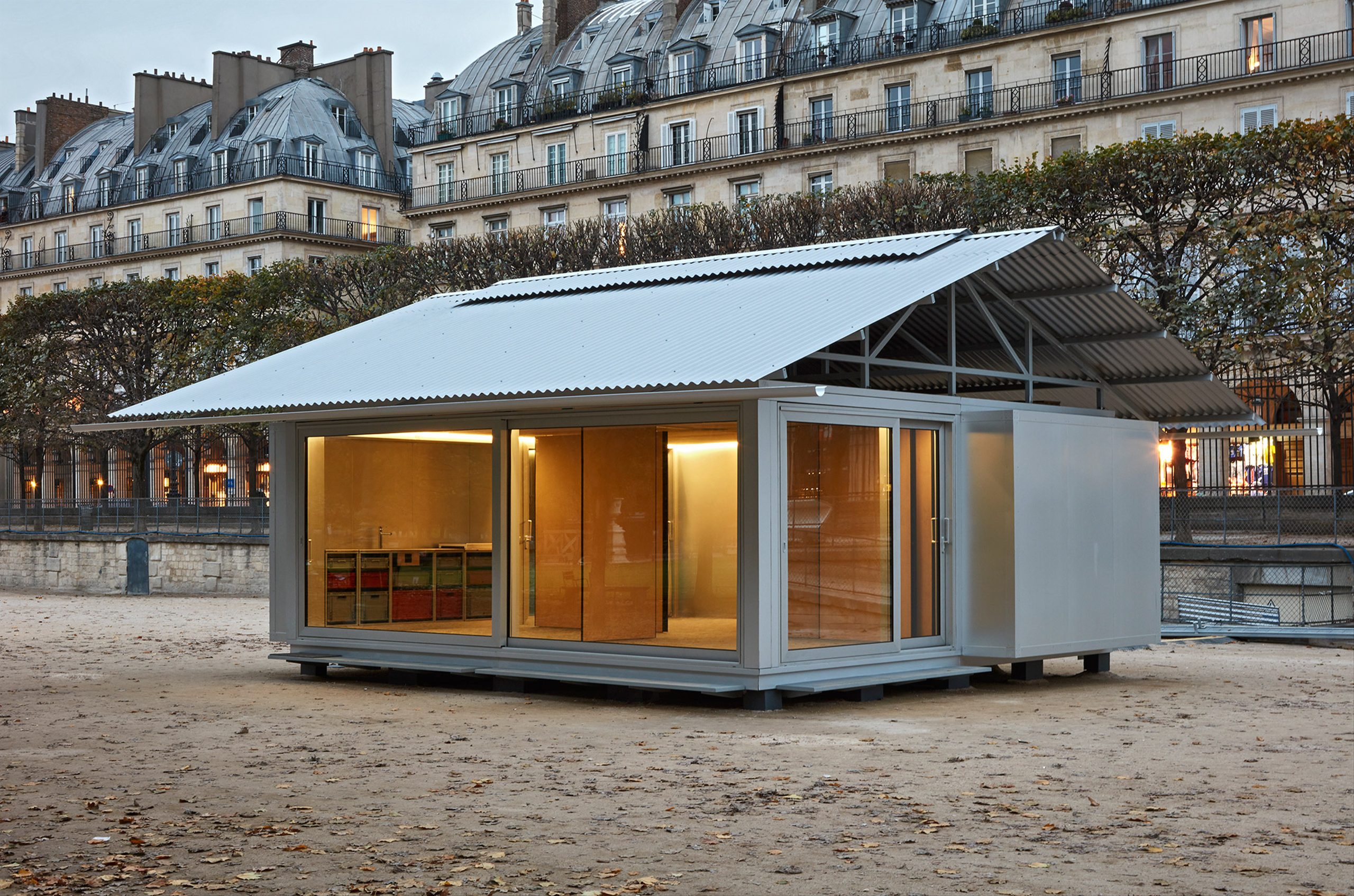
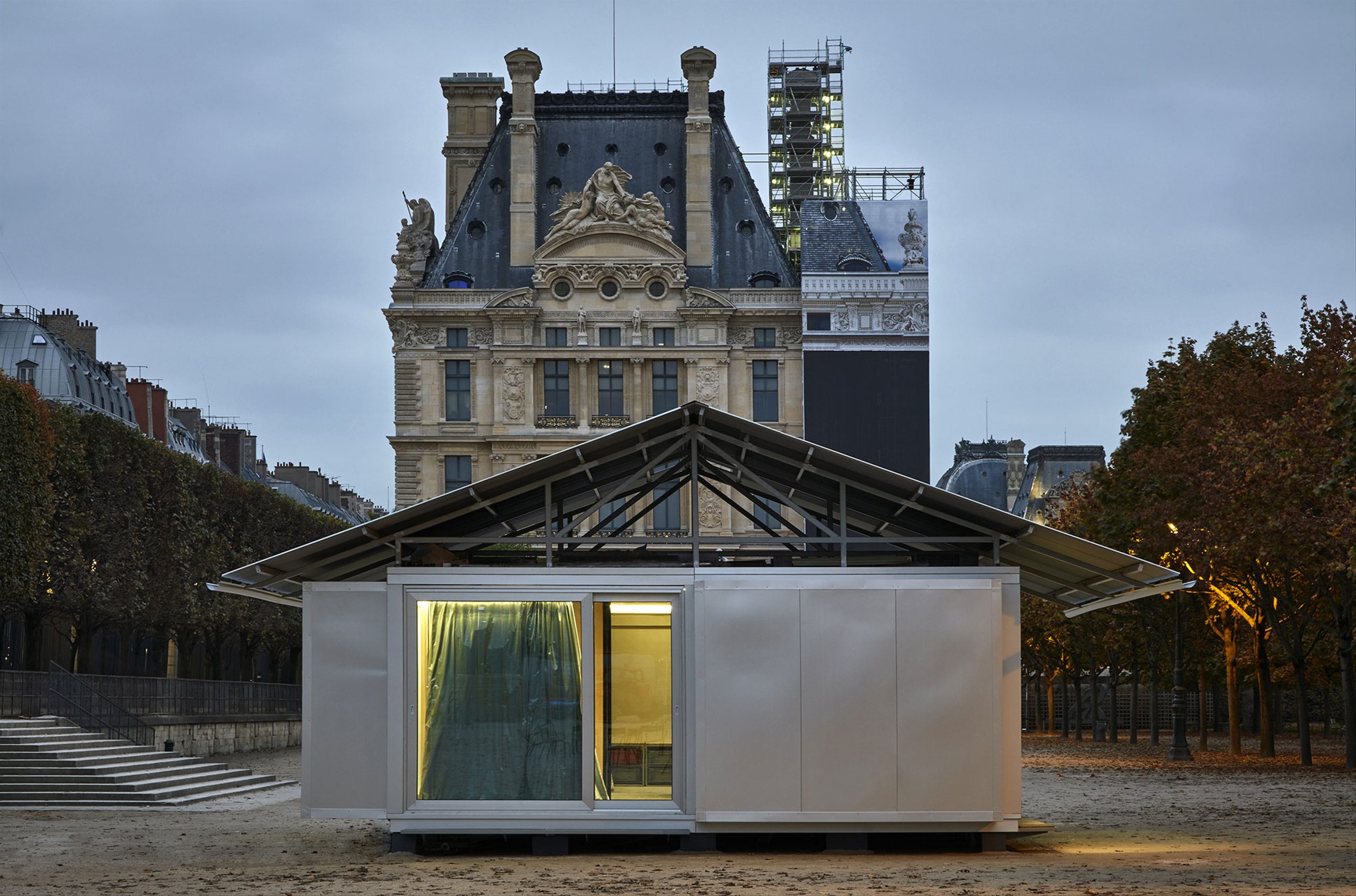
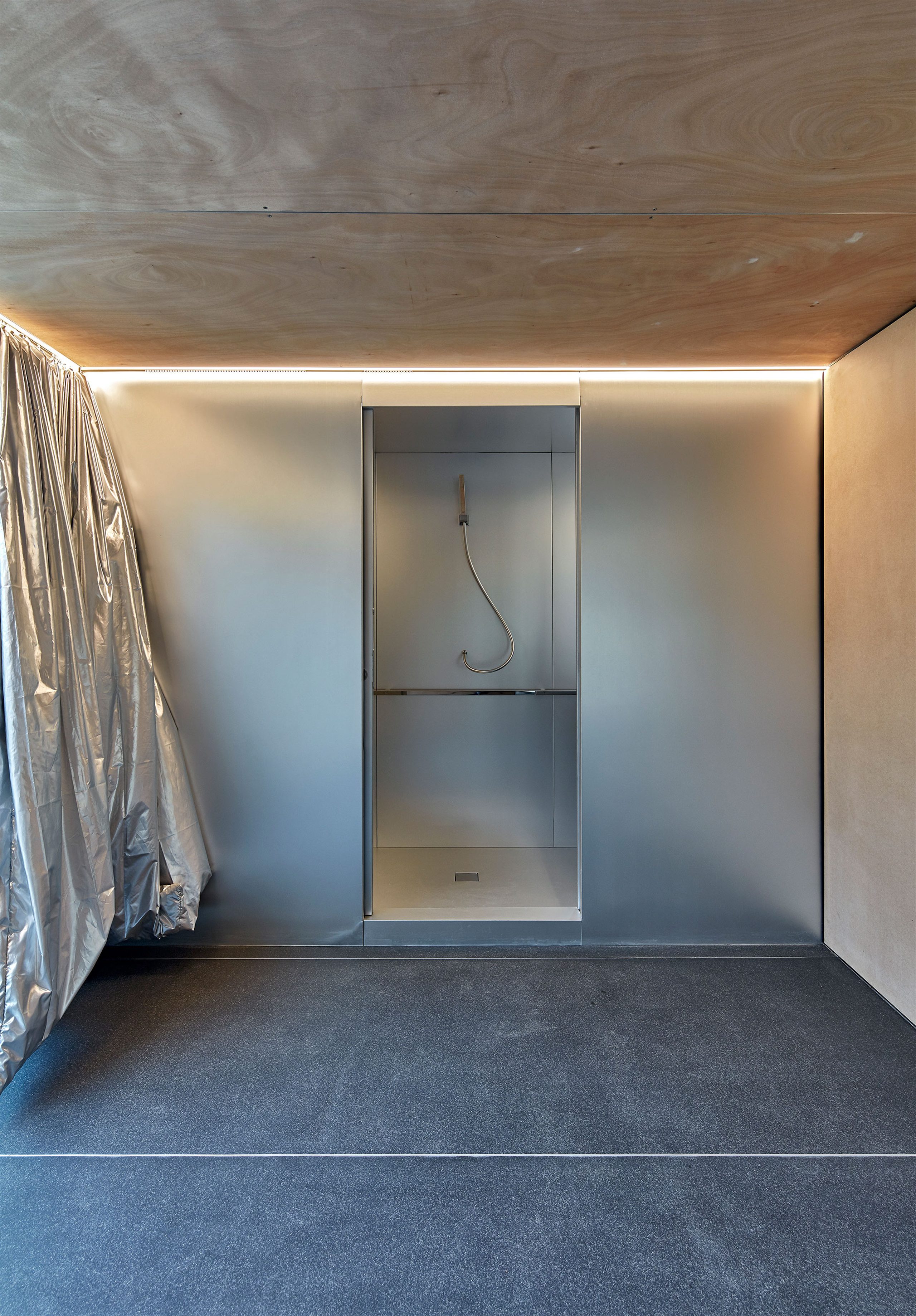
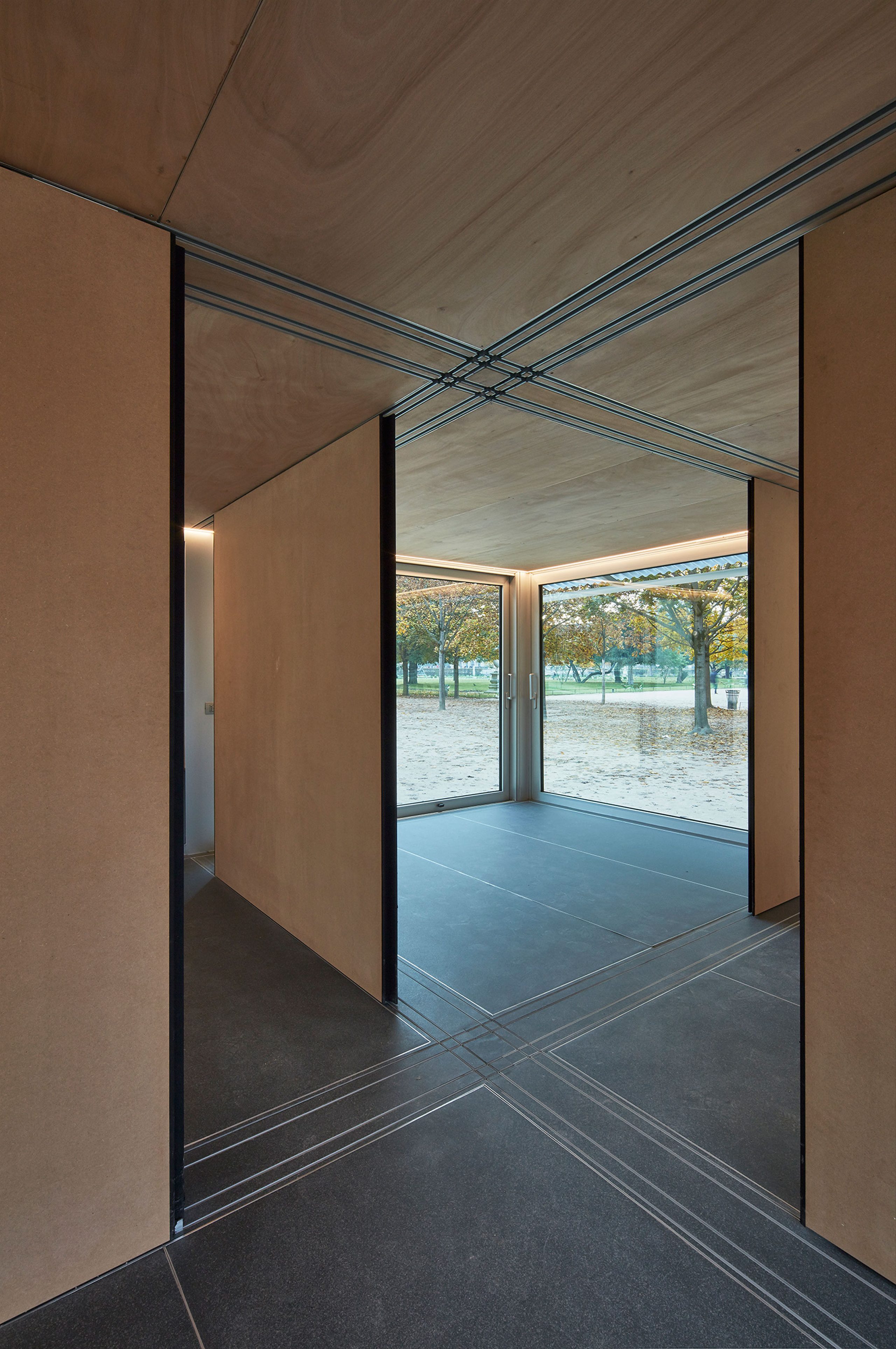
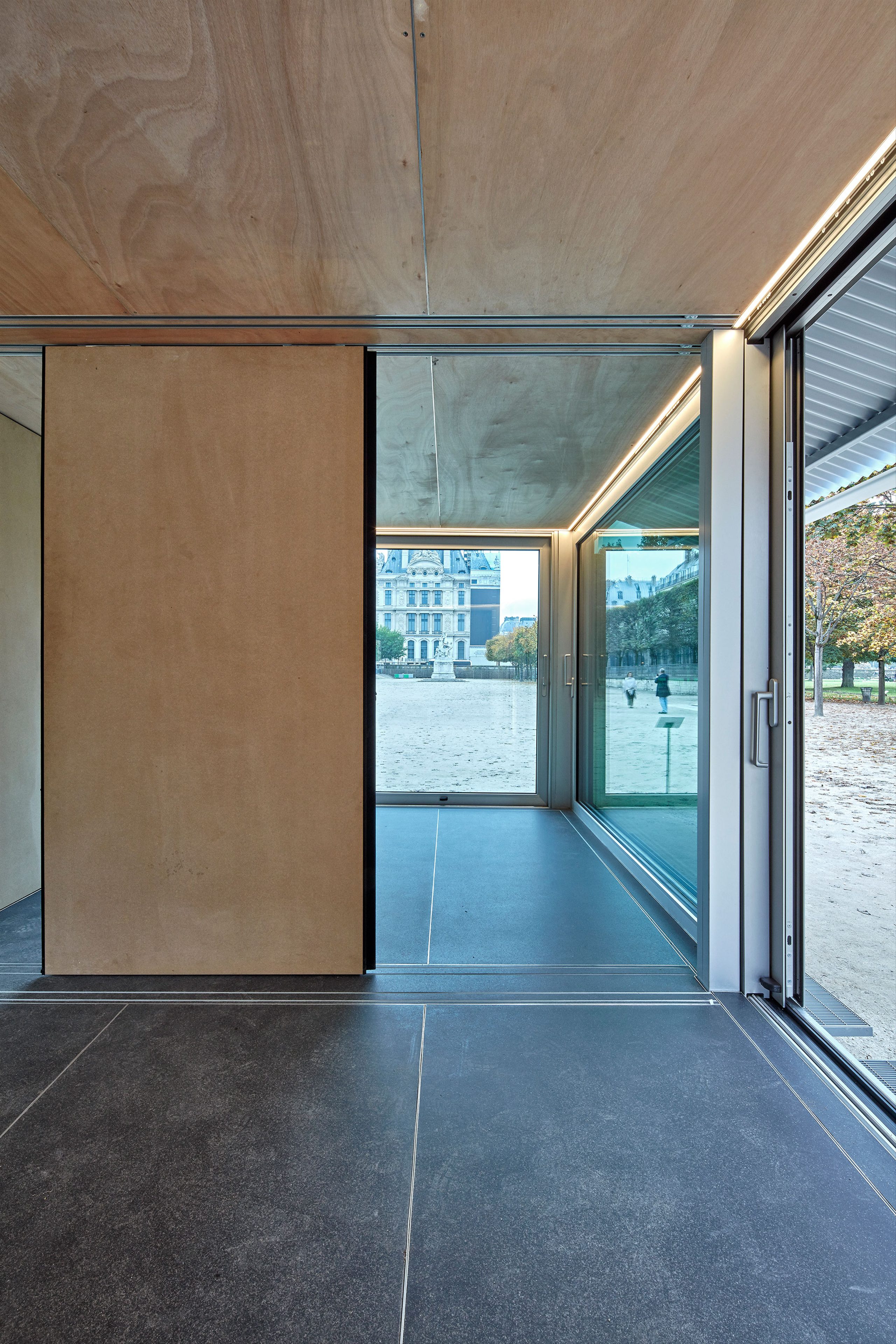
Simple, designed by Jean Nouvel Design, is a modular architectural installation first presented at FIAC 2016 in the Tuileries Garden as part of the Hors les Murs program.
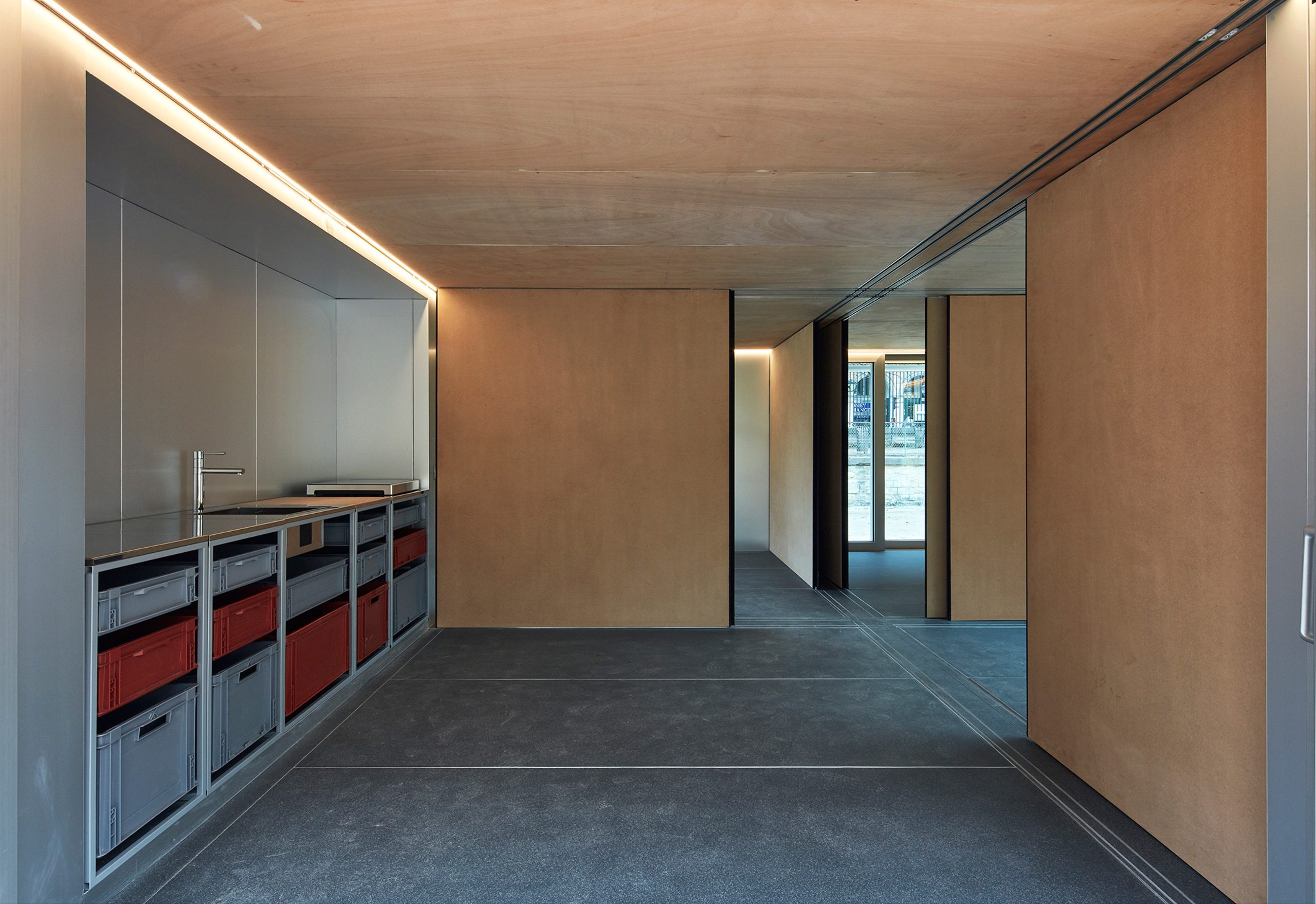
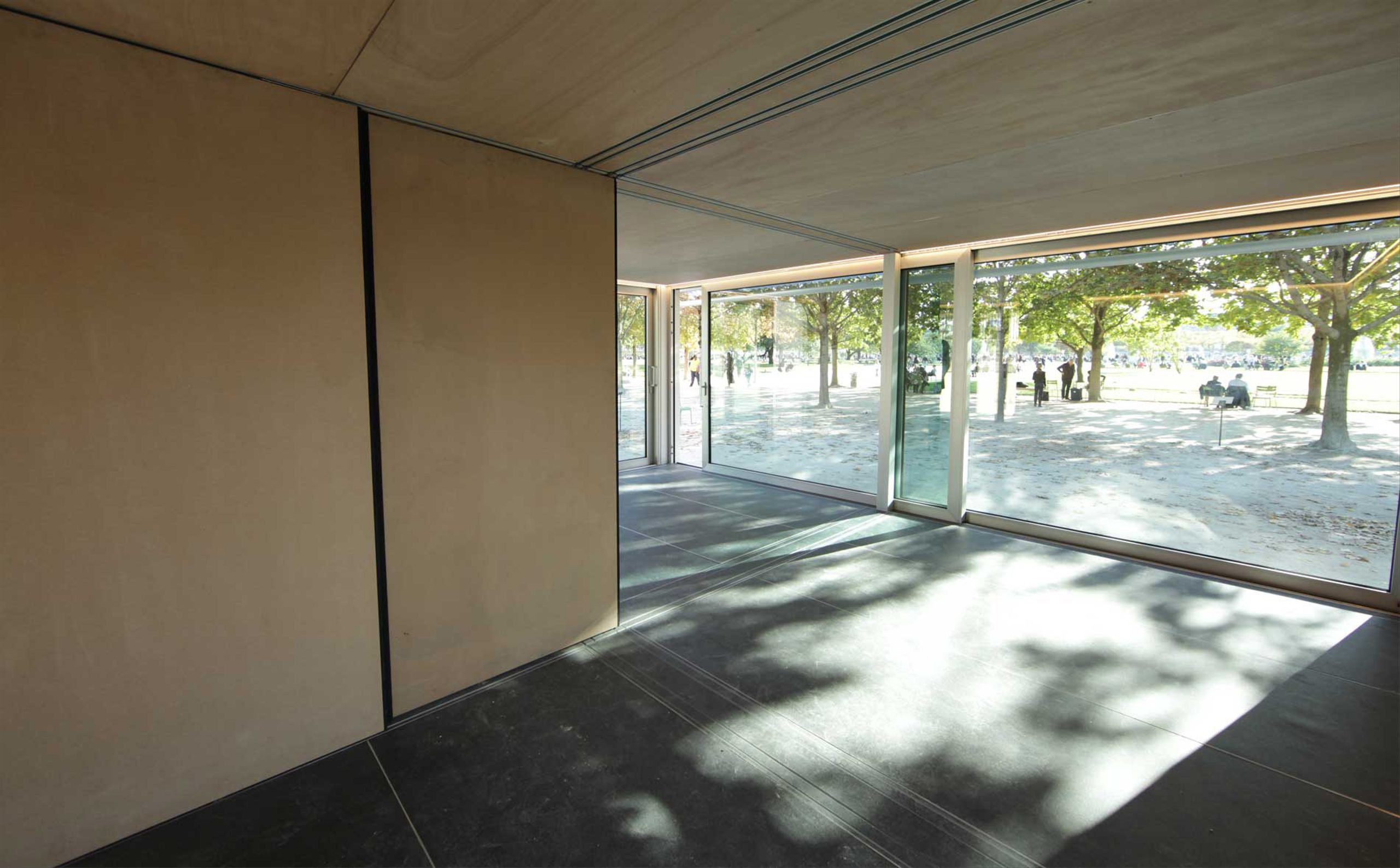
The structure takes the form of a compact 6 × 6 m one-bedroom dwelling, conceived as a prefabricated unit that can be manufactured off-site, transported in a standard shipping container and rapidly assembled at its destination. Its lightweight construction combines aluminium exterior panels with a thermally insulating foam layer and a warm wooden interior finish. Designed around principles of flexibility and ease of installation, Simple can be adapted in both scale and configuration. Sliding partitions and interior openings allow the layout to be modified according to individual requirements, while a selection of interior finishes offers further possibilities for personalisation. The modular system can be expanded from a 36 m² one-bedroom unit to a 144 m² four-bedroom residence.
Combining architectural efficiency with a minimalist aesthetic, Simple reflects Jean Nouvel Design's interest in adaptable, transportable and contemporary forms of habitation.
Jean Nouvel is one of the most influential French architects of his generation. His work is distinguished by its innovative use of light, materials, transparency and context, often challenging conventional notions of architectural form. Nouvel founded his own practice in Paris in 1970 and has since designed major cultural, commercial and public buildings around the world. Among his most celebrated projects are the Institut du Monde Arabe in Paris, the Fondation Cartier pour l'Art Contemporain, the Louvre Abu Dhabi, the Musée du Quai Branly – Jacques Chirac and the Torre Agbar in Barcelona.
Recipient of the Pritzker Prize in 2008, Nouvel has developed an architectural language that responds closely to its surroundings while embracing experimentation and technological innovation. His practice extends beyond architecture into furniture, interiors and product design, where the same attention to material, proportion and visual identity can be found.