ZAHA HADID (1950-2016) SIGNATURE VOLU DINING PAVILLION Design in collaboration with Patrick Schumacher
Lotto 571
900 0001 100 000
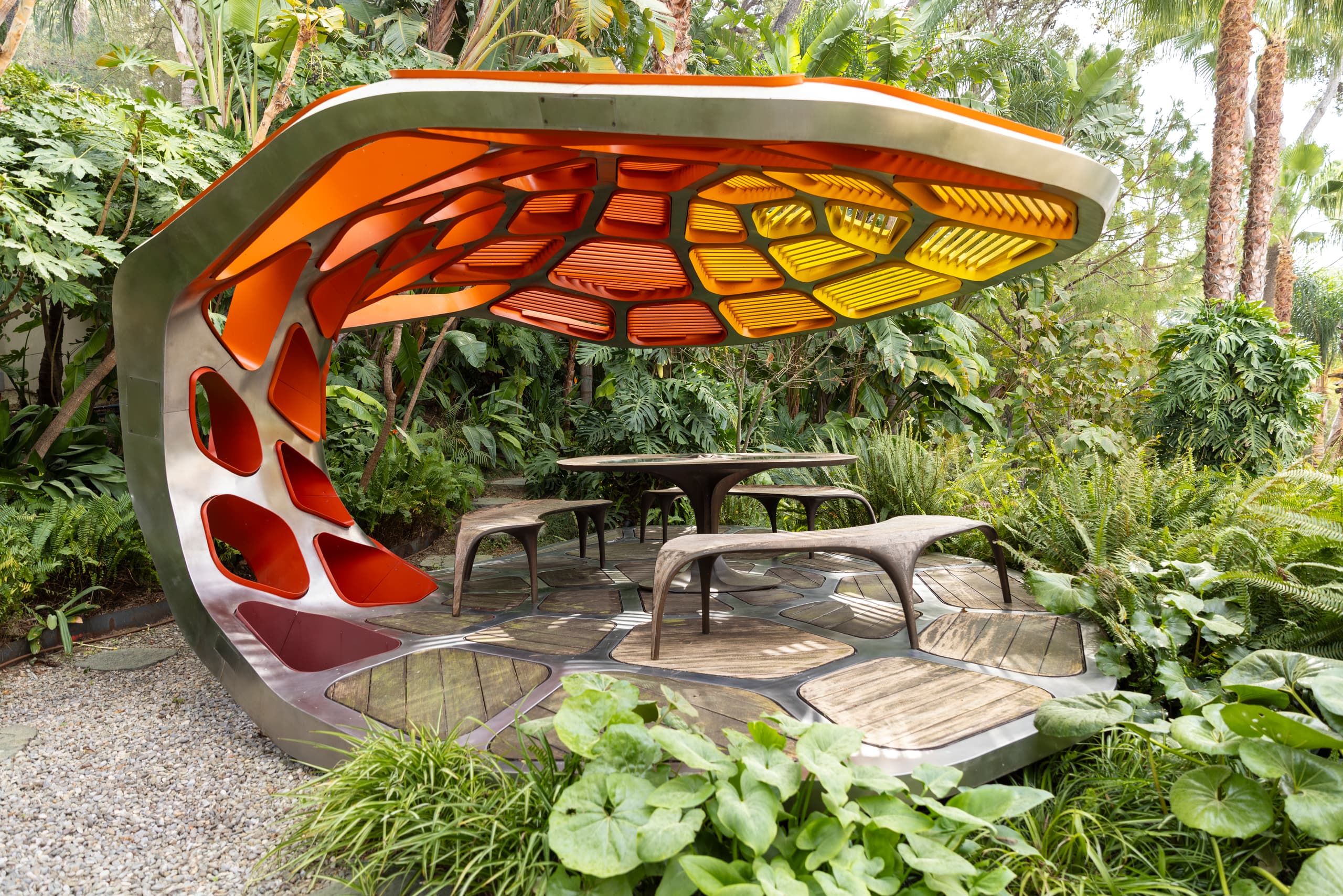
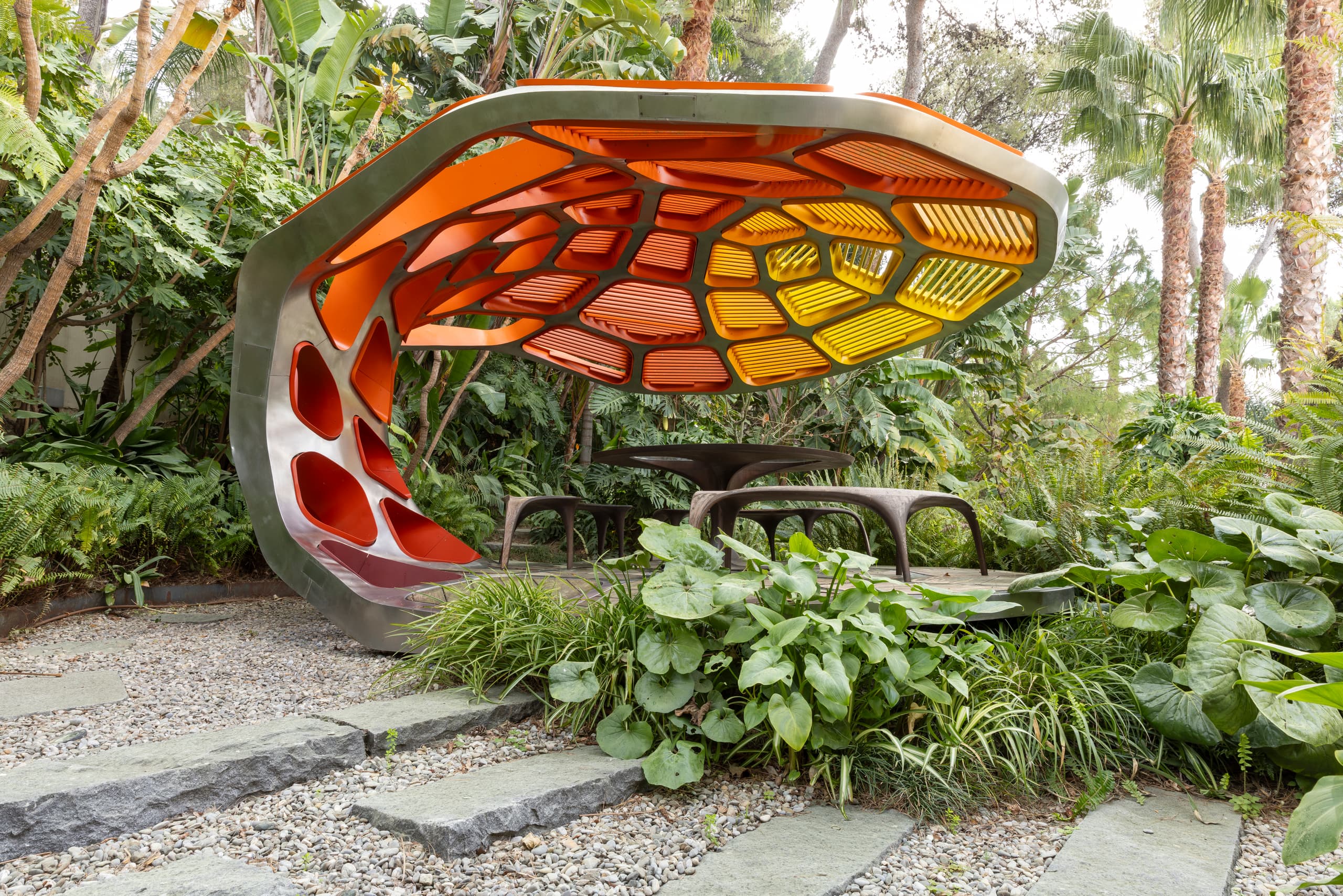
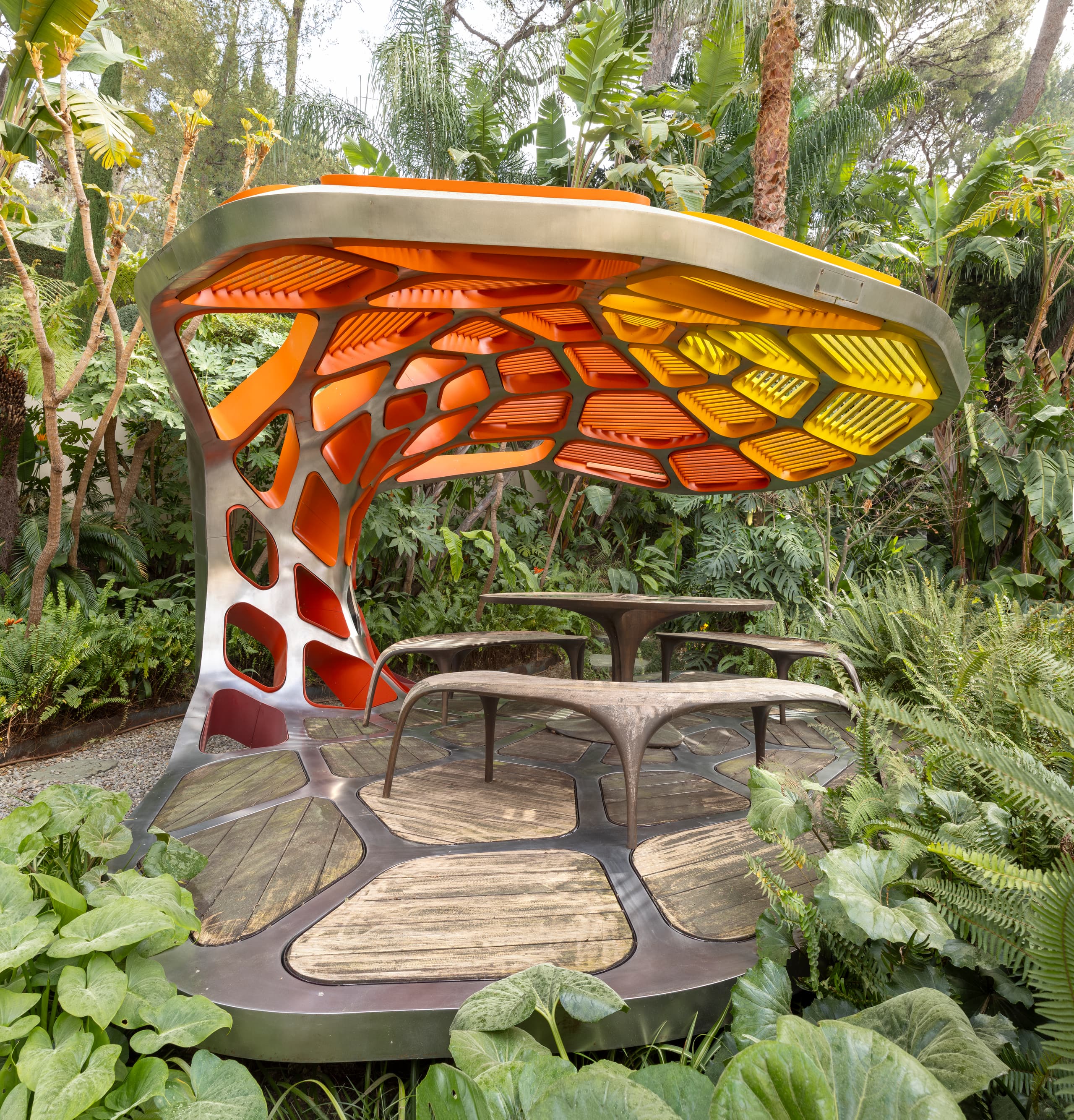
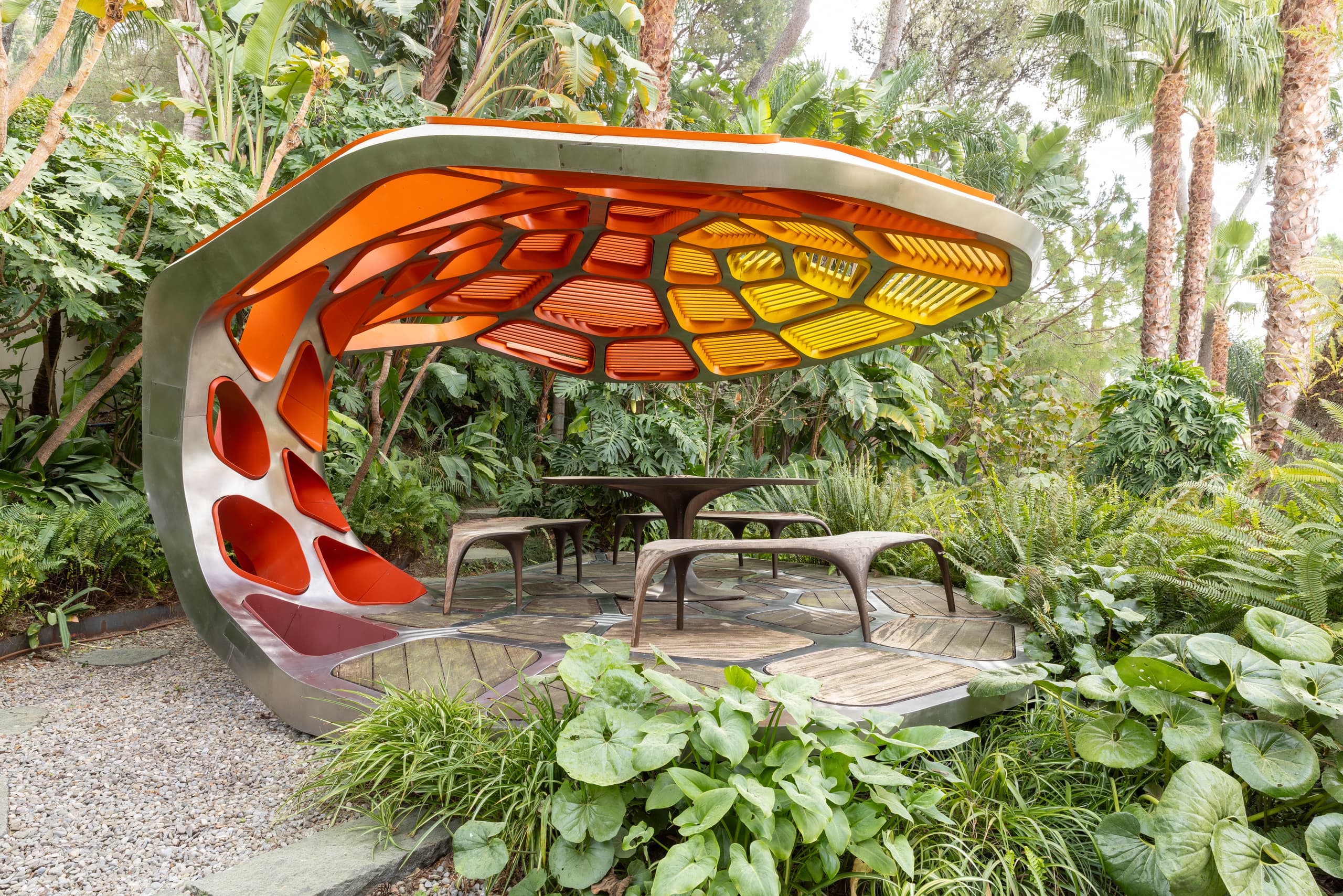
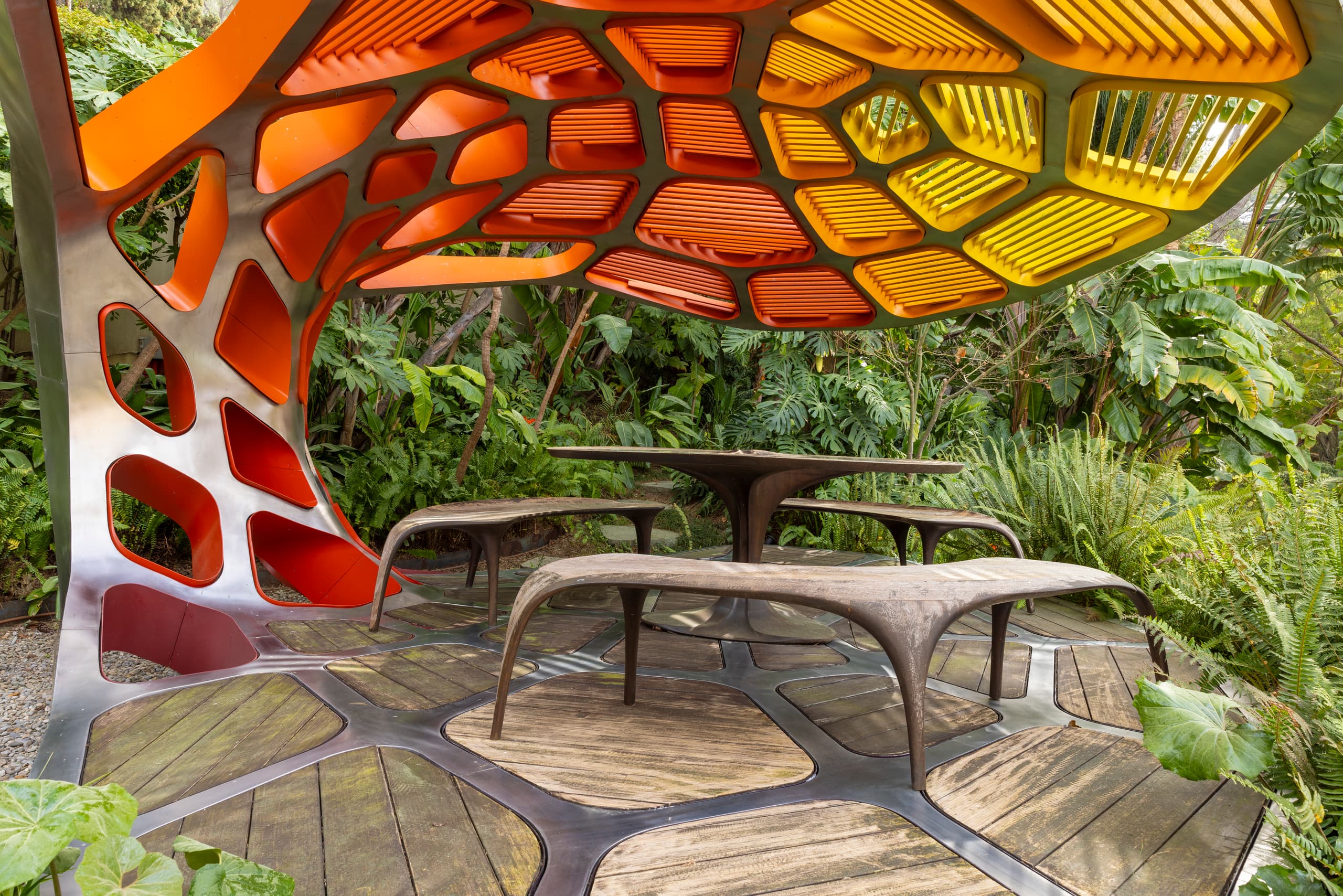
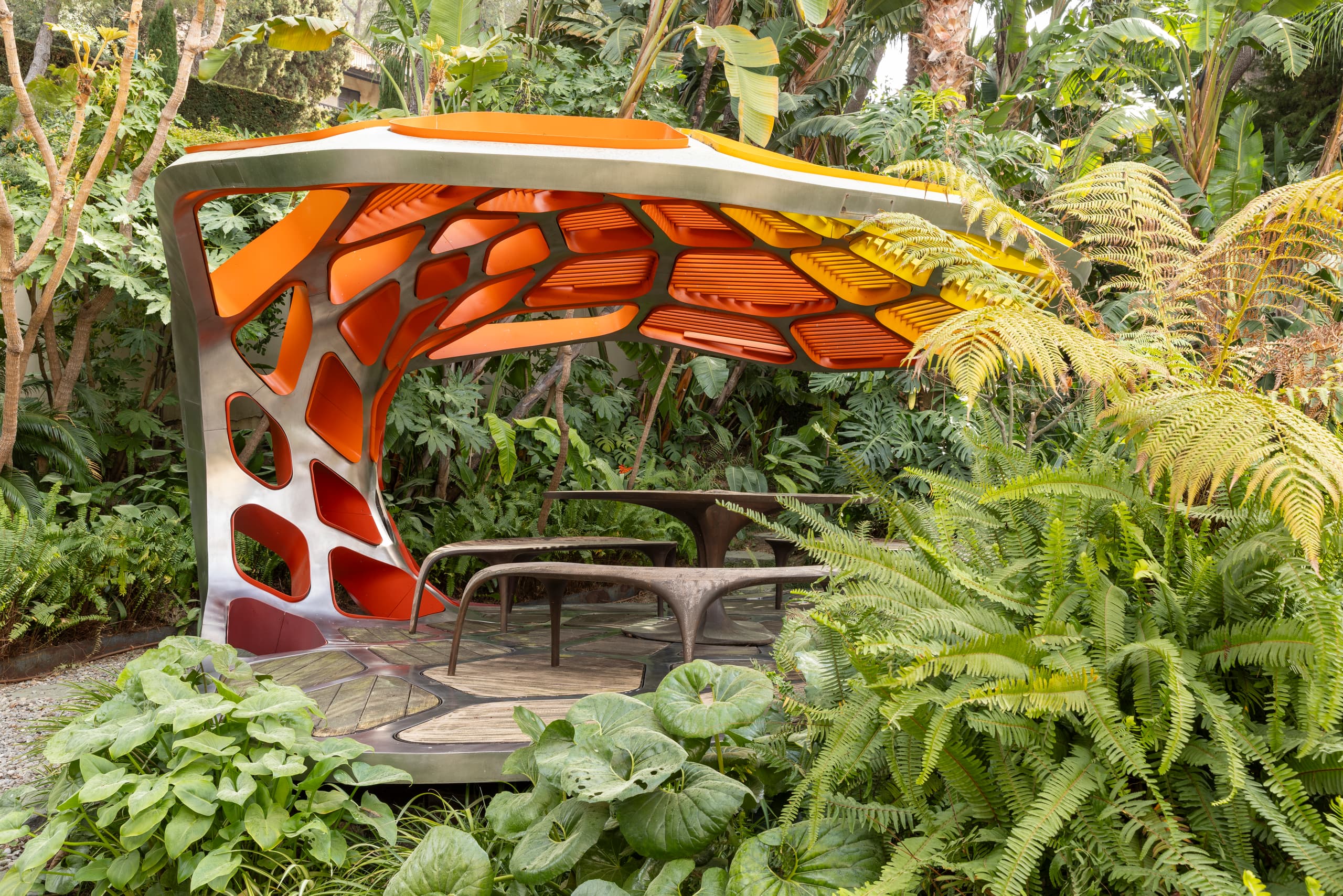
Dimensions: 6 x 4.6 x 3.2 m
Floor area: 20 sqm.
Executed in 2016
Provenance:
Private collection
Please note: Shipping, installation costs, and all applicable taxes are the responsibility of the successful bidder. Subject to the artist's resale right.
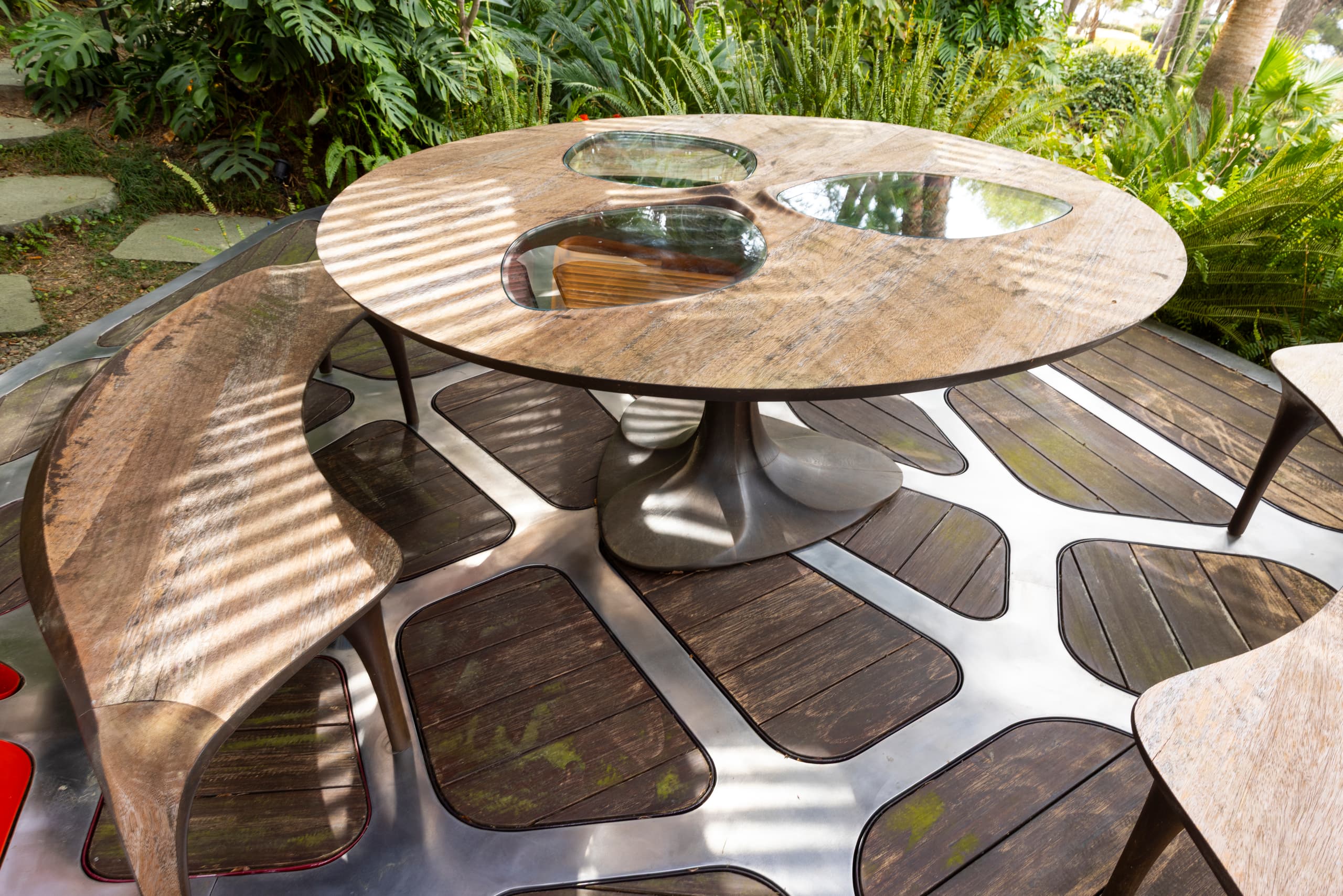
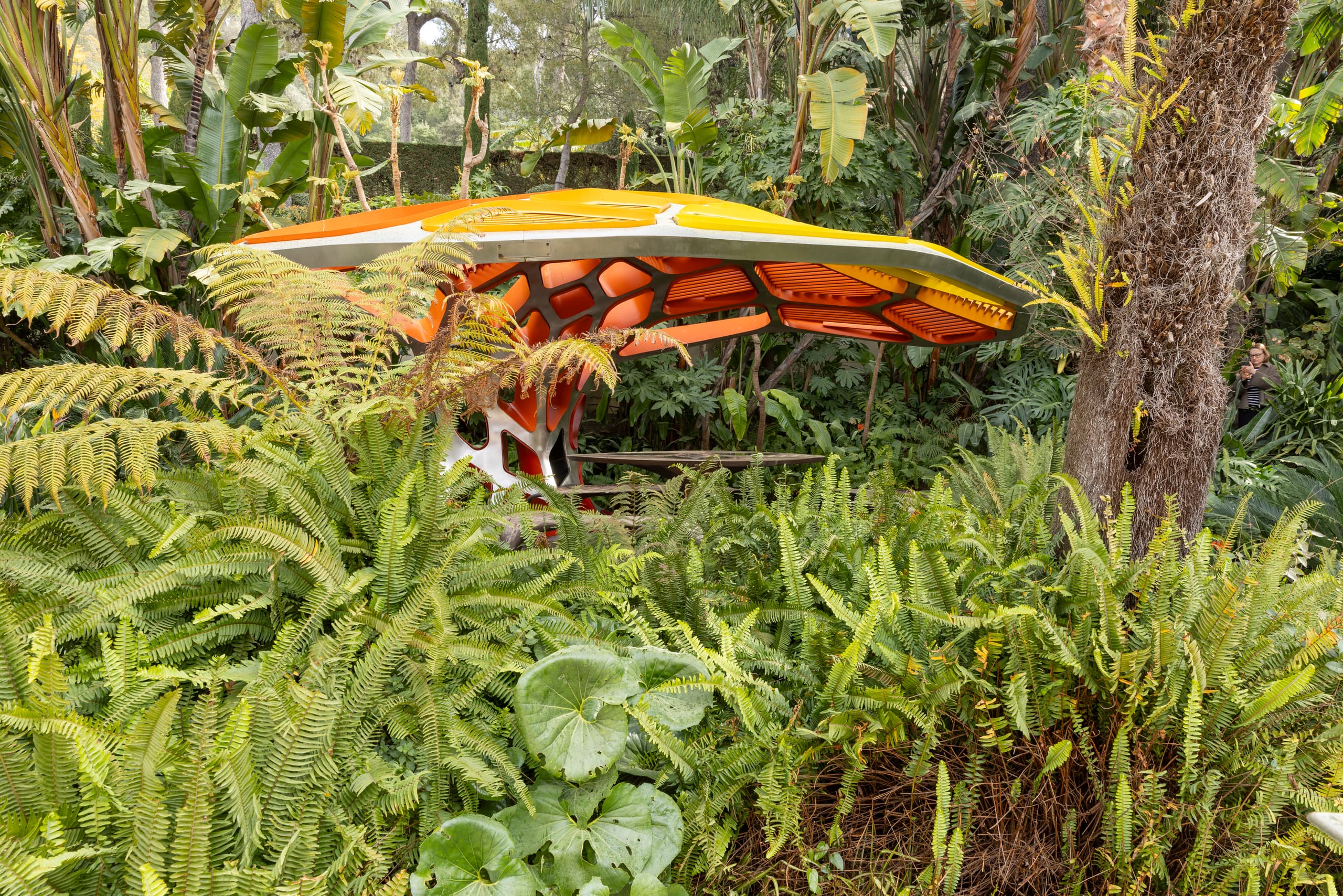
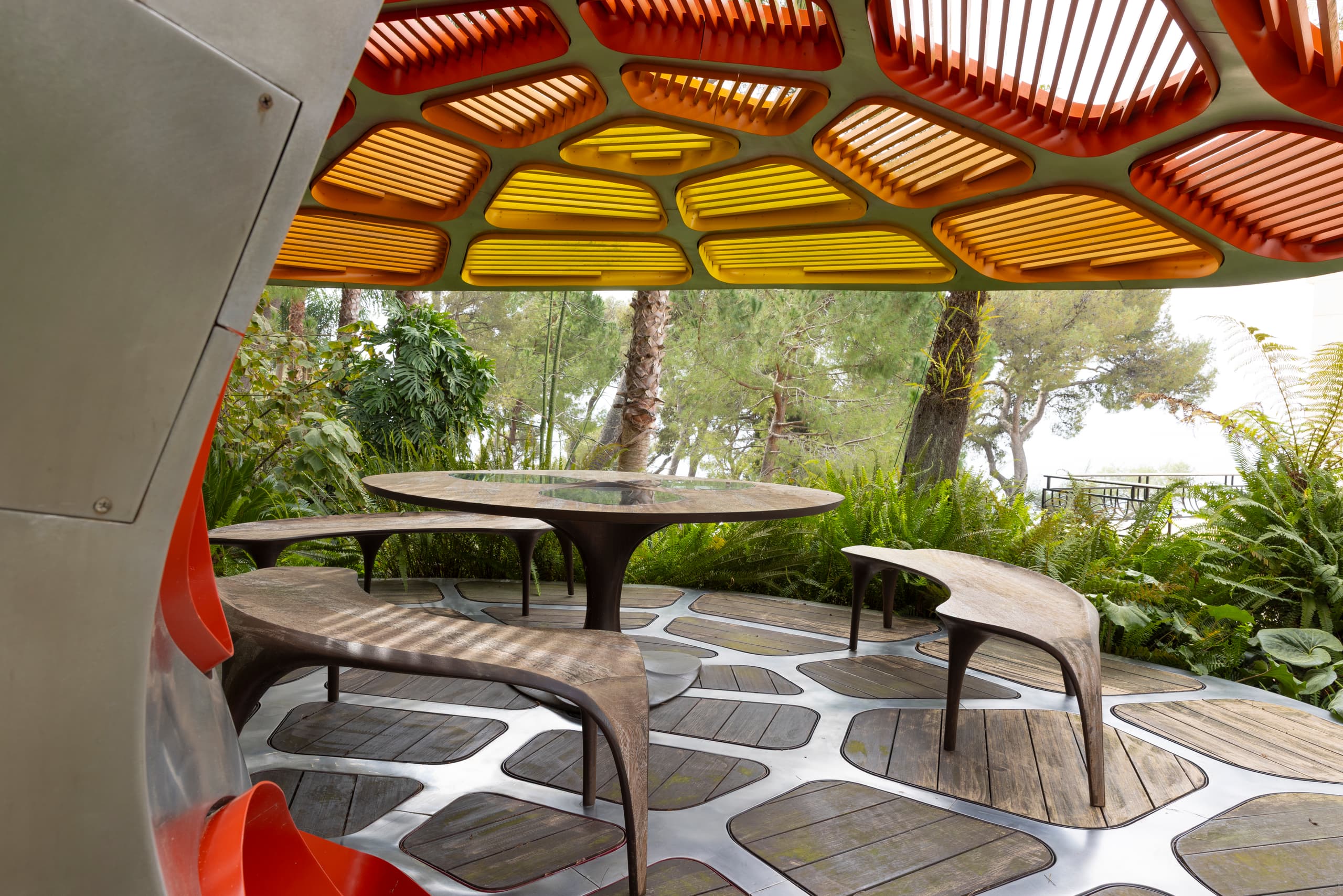
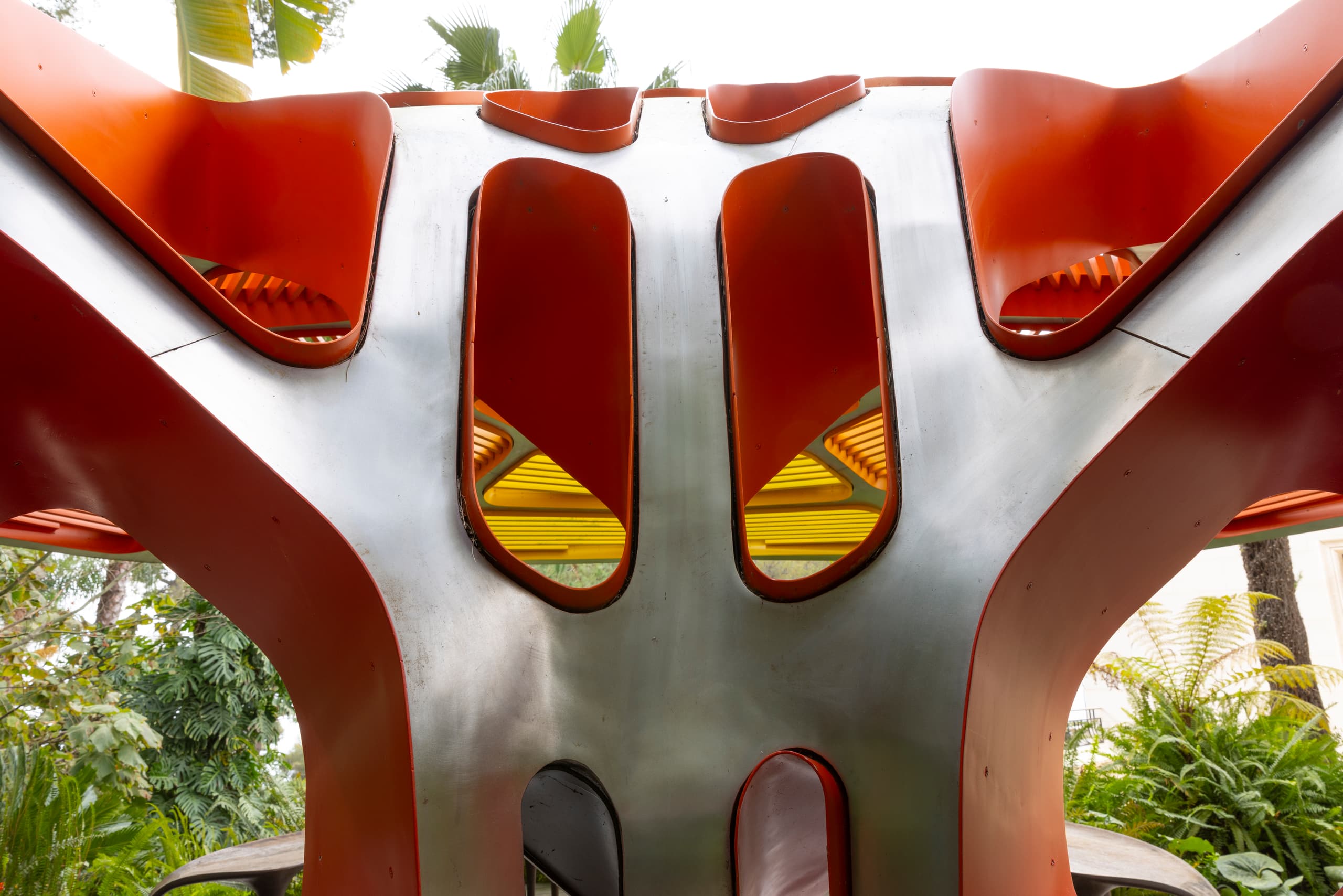
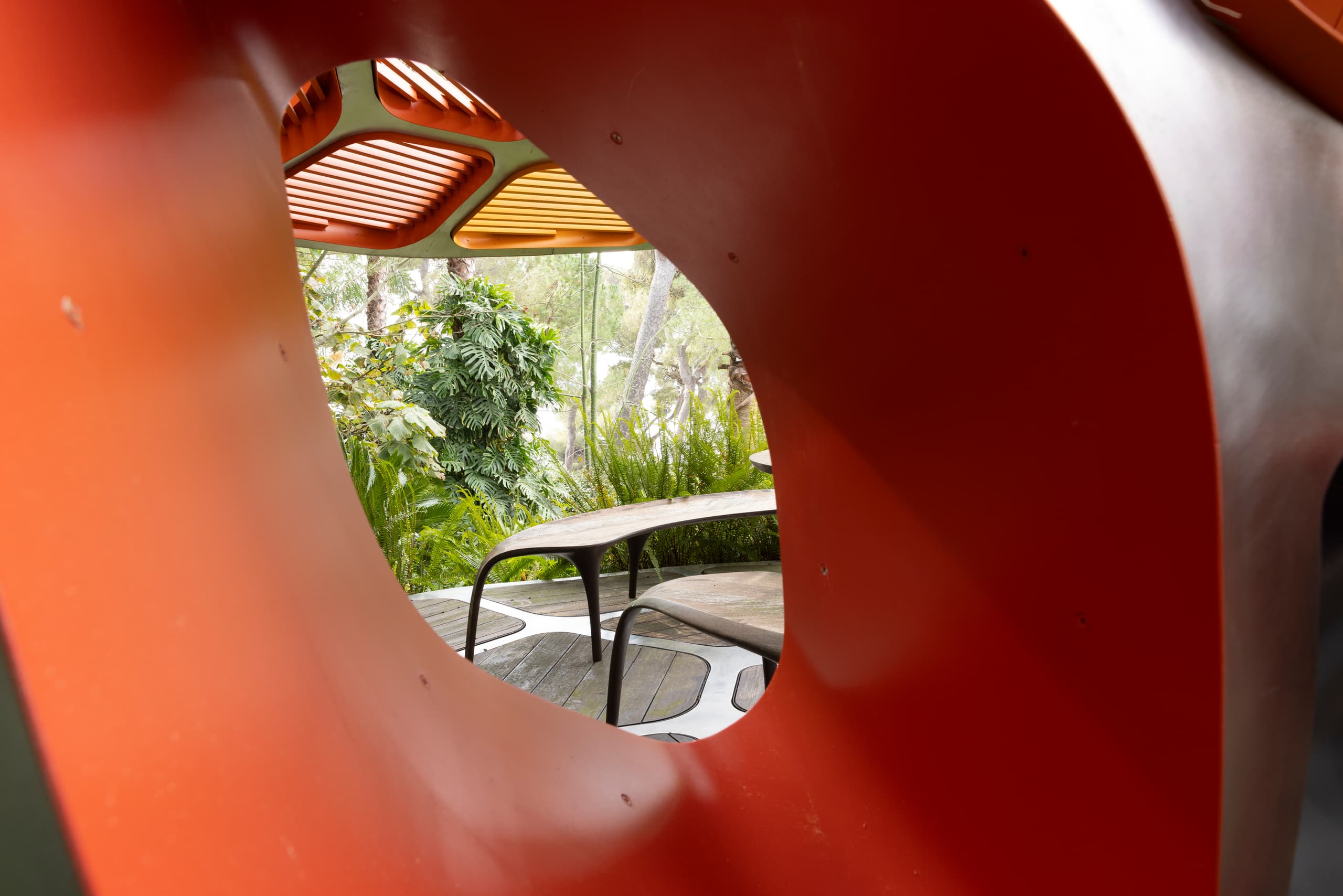
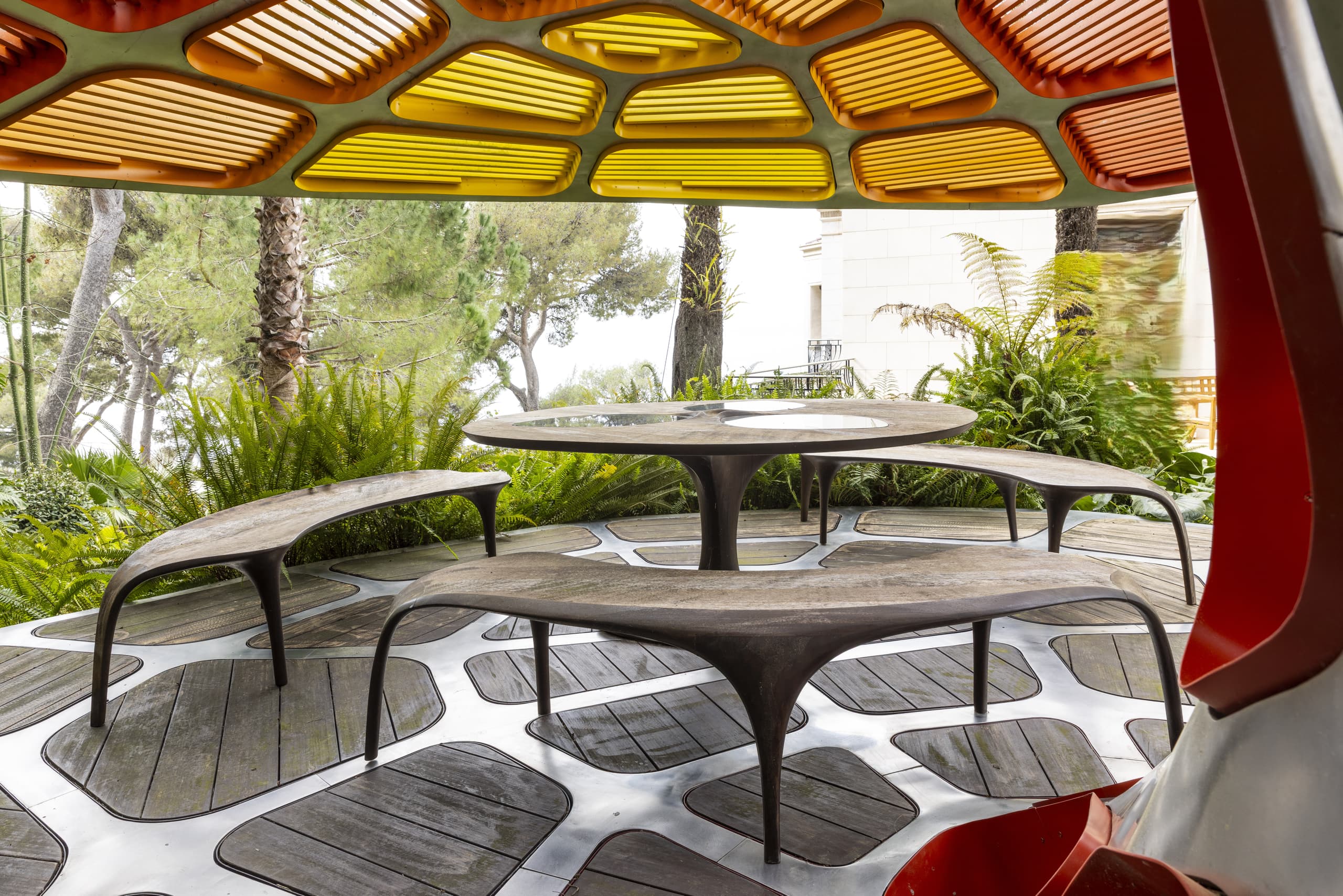
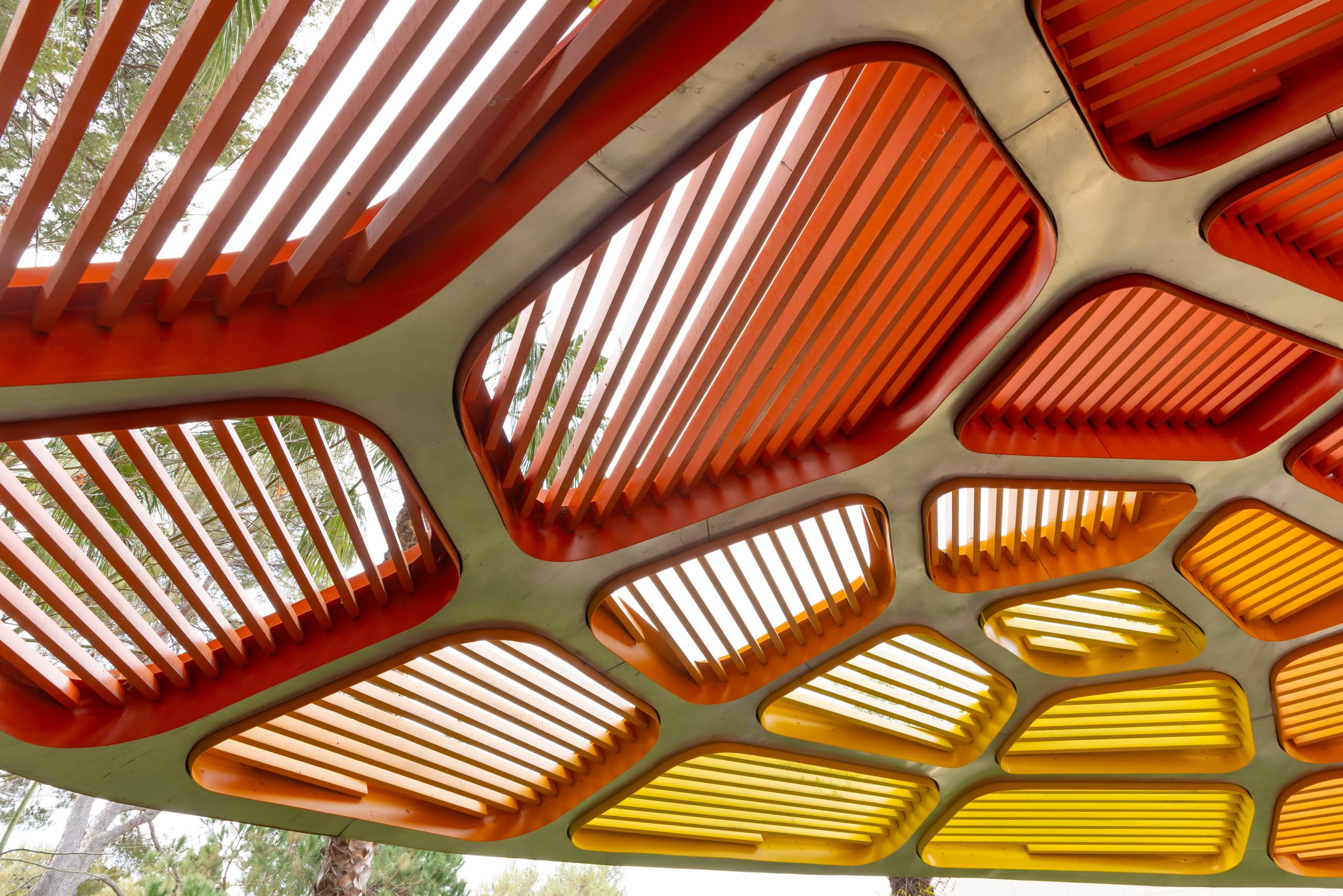
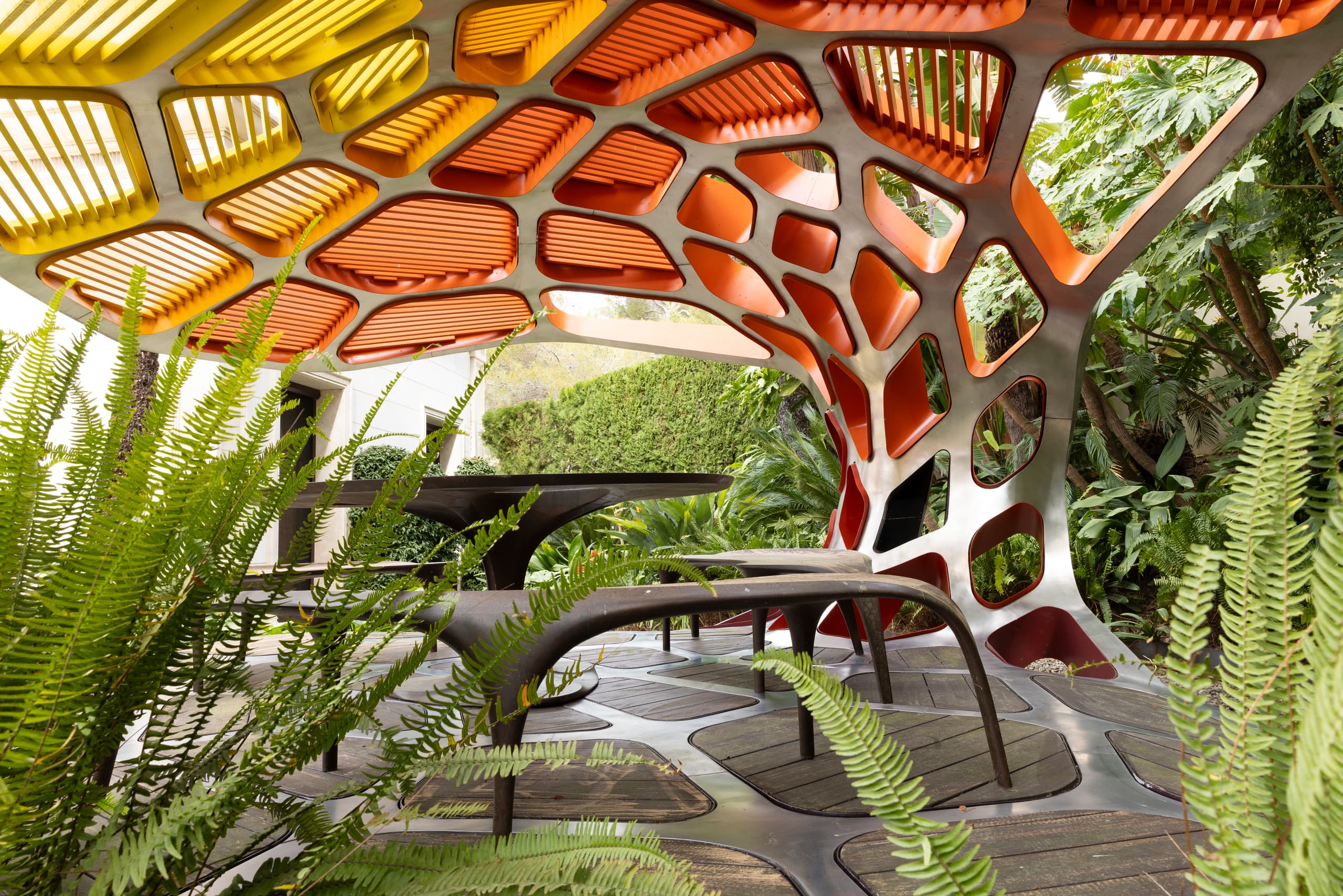
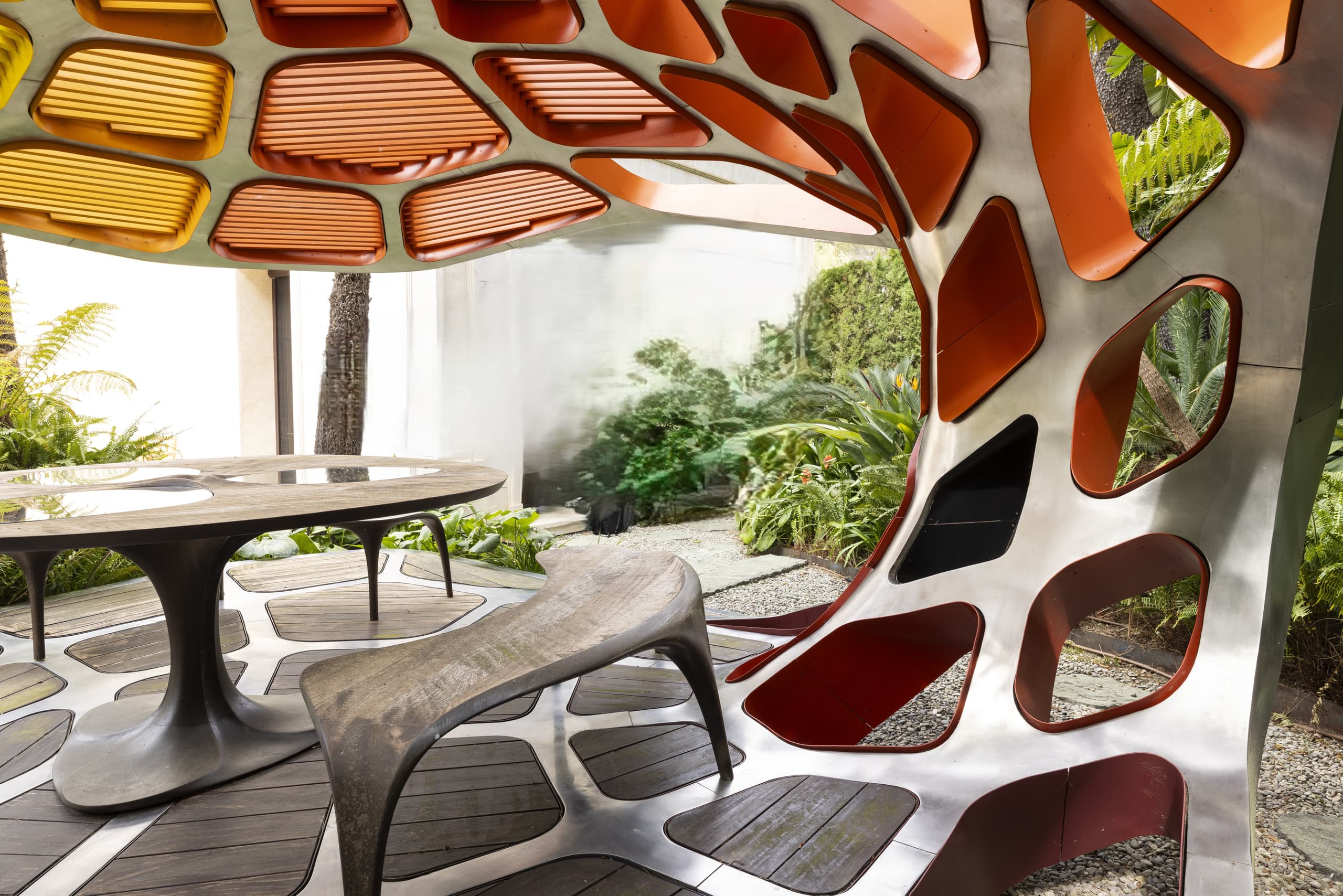
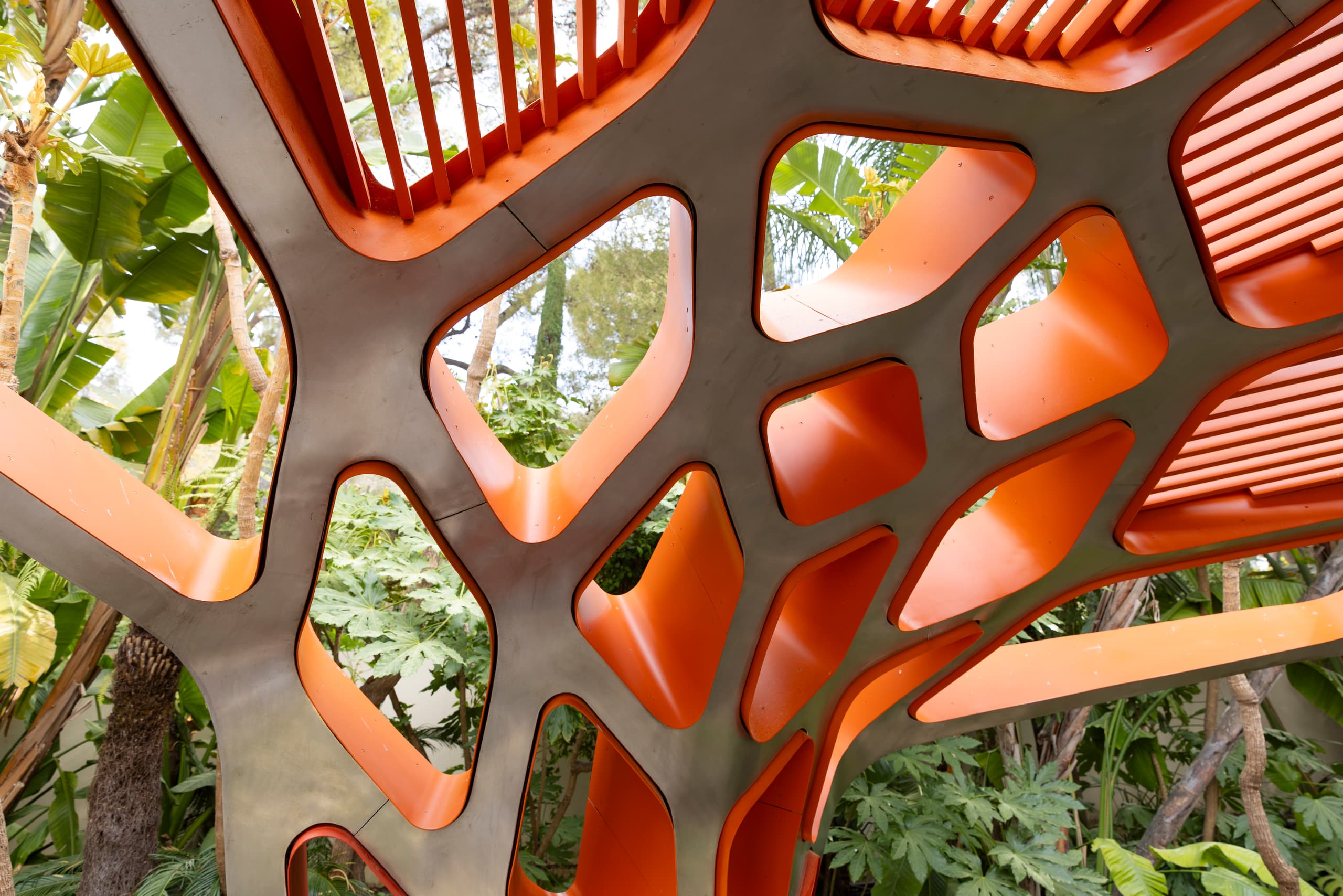
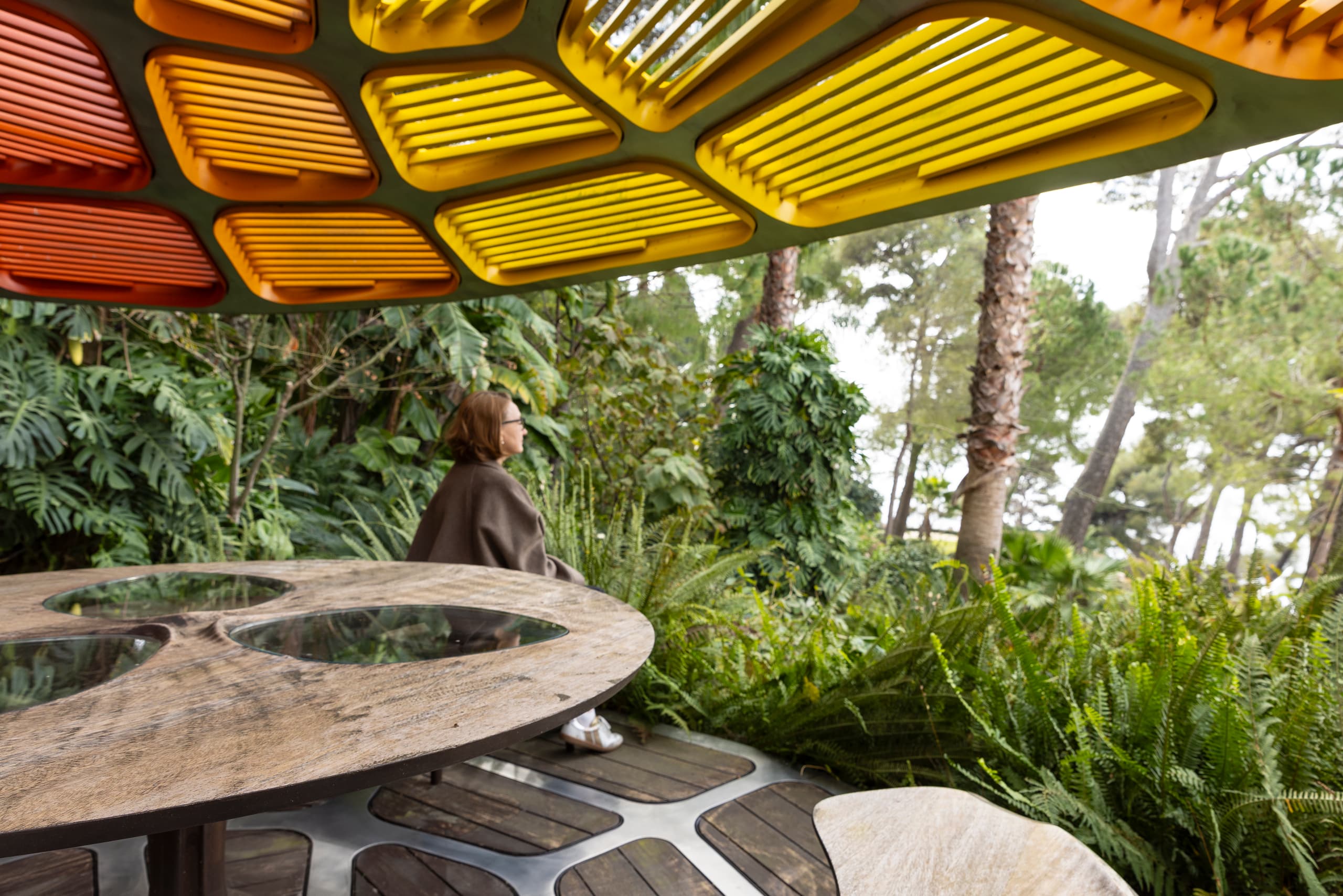
Conceived shortly before her passing, Zaha Hadid authorized an exceptionally limited edition of the VOLU Dining Pavilion. The present example, distinguished by its unique colour, was specially commissioned for Amfar in 2016 and subsequently acquired by the present owner. The VOLU Pavilion exemplifies Zaha Hadid’s distinctive approach to architecture, combining sculptural form with advanced engineering and precise fabrication. Its bold, fluid silhouette follows a clear geometric logic, seamlessly integrating design and manufacture. While the pavilion appears monolithic, it is constructed from an intricate assembly of irregular, laser-cut polygonal components integrated within a steel framework. Continuous bands converge into a central spine and expand overhead, creating a dynamic and immersive spatial experience.
Developed through parametric design, each element is digitally optimized to minimise material use while accommodating fabrication constraints, resulting in a structure that is both efficient and expressive.
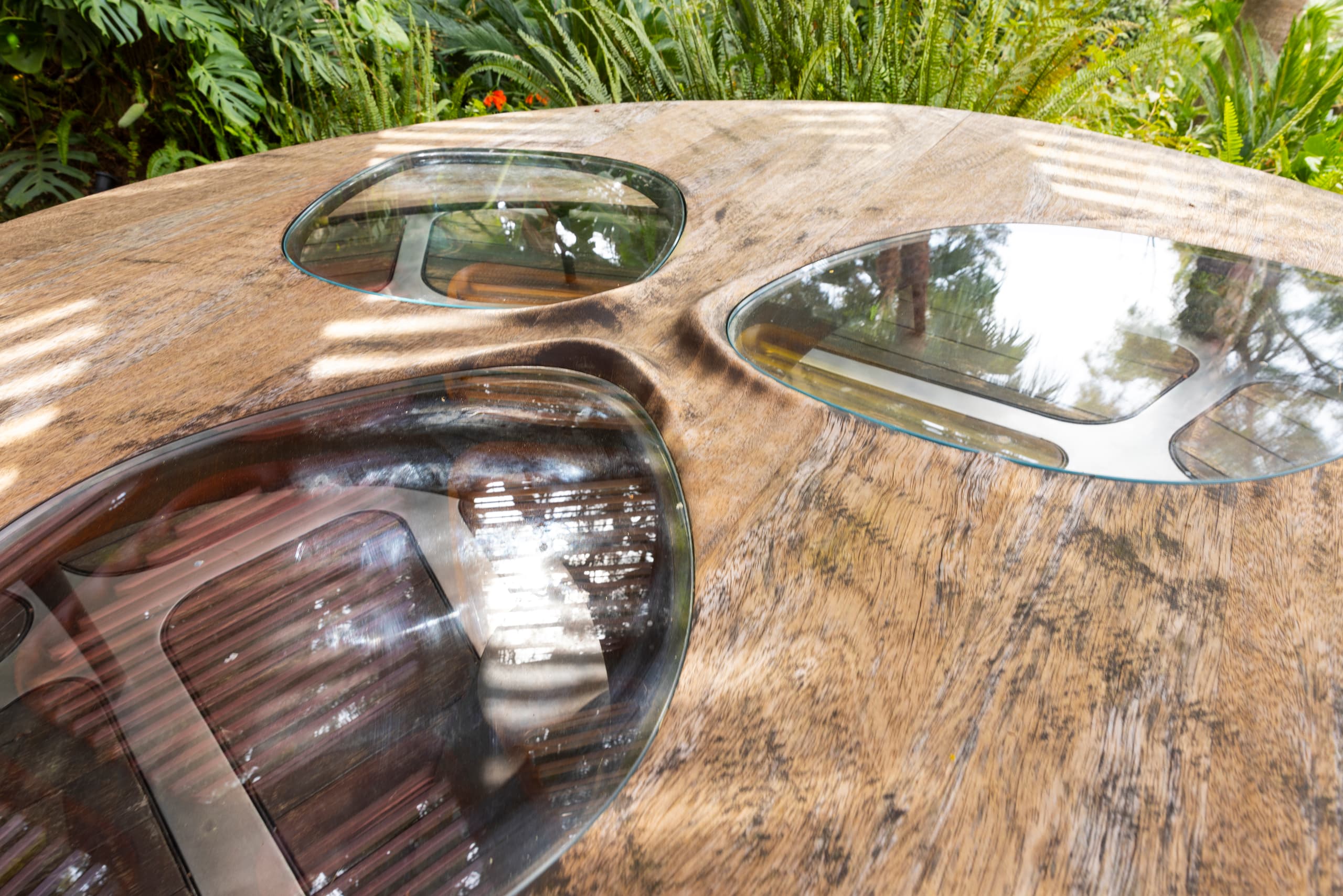
The accompanying table and benches, crafted from sustainably sourced American oak, extend the architectural language of the pavilion. Designed for function and ergonomics, they are hand-finished to a continuous, seamless surface.
Transforming the act of dining into an architectural event, VOLU embodies Hadid’s vision of design as both spatial and experimental.
The pavilion was first commissioned for Design Miami in 2015 as part of the Revolution Project, an initiative exploring advanced design and fabrication technologies for the creation of cost-efficient living environments. VOLU represents the collaborative vision of Zaha Hadid and Patrick Schumacher, principal of Zaha Hadid Architects.
Zaha Hadid was among the most influential architects of her generation. Awarded the Pritzker Architecture Prize in 2004, she later received the Stirling Prize in 2010 and 2011. She was appointed Dame Commander of the Order of the British Empire in 2012 and, in 2015, became the first woman to be awarded the RIBA Gold Medal in her own right. She reshaped architecture with sculptural, fluid, and futuristic designs. Iconic projects include the Heydar Aliyev Center in Baku, the London Aquatics Centre for the 2012 Olympics, and the MAXXI Museum in Rome, etc.
Founded in 1979, Zaha Hadid Architects pioneered research-driven design methodologies, further advanced through its Computation and Design (co|de) group, established in 2007 to explore digitally driven architectural solutions. The present pavilion stands as a compelling example of this approach.