BEN VAN BERKEL (B. 1957) AND UNSTUDIO The Ellipsicoon Retreat Pavilion
Lot 35
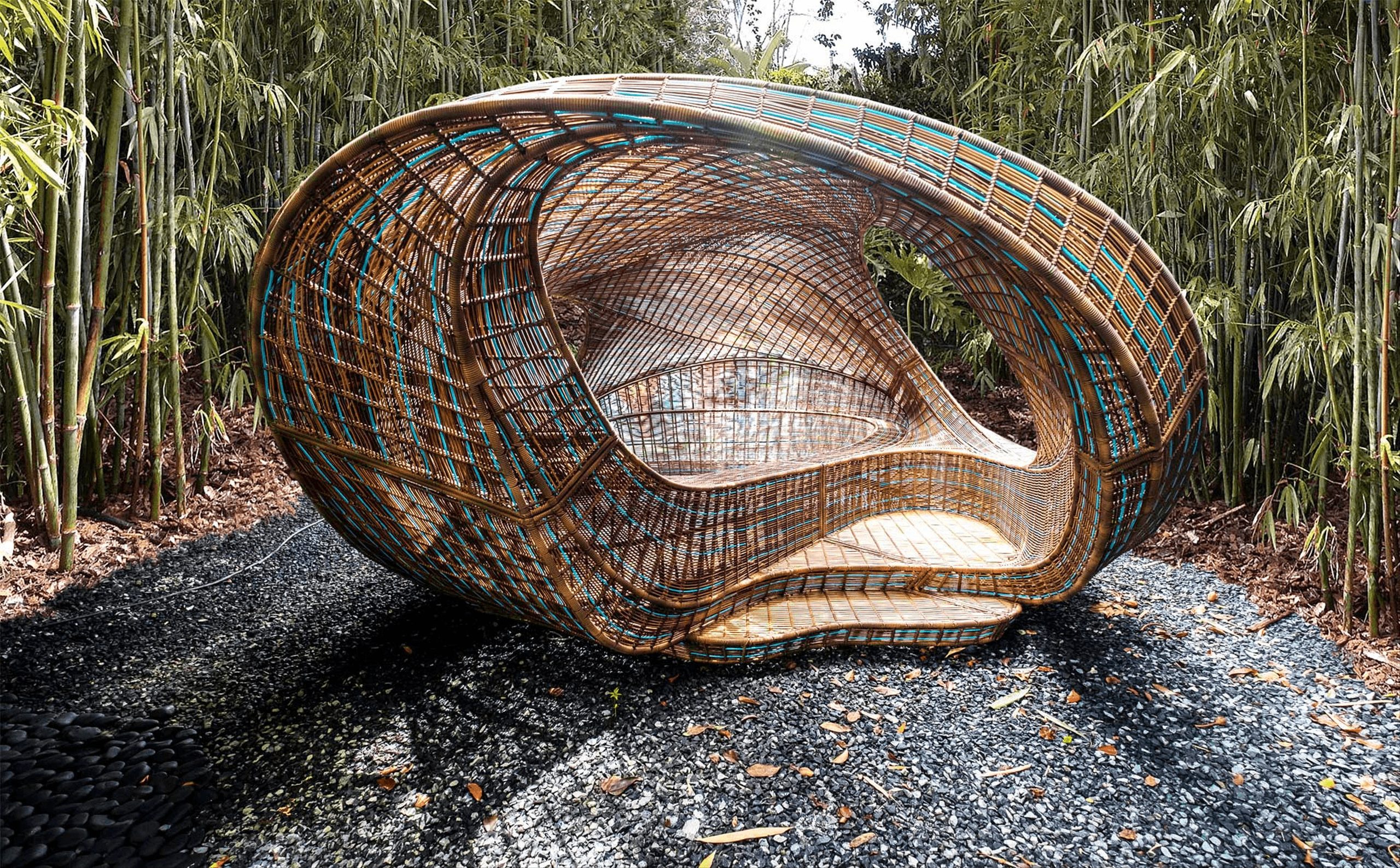
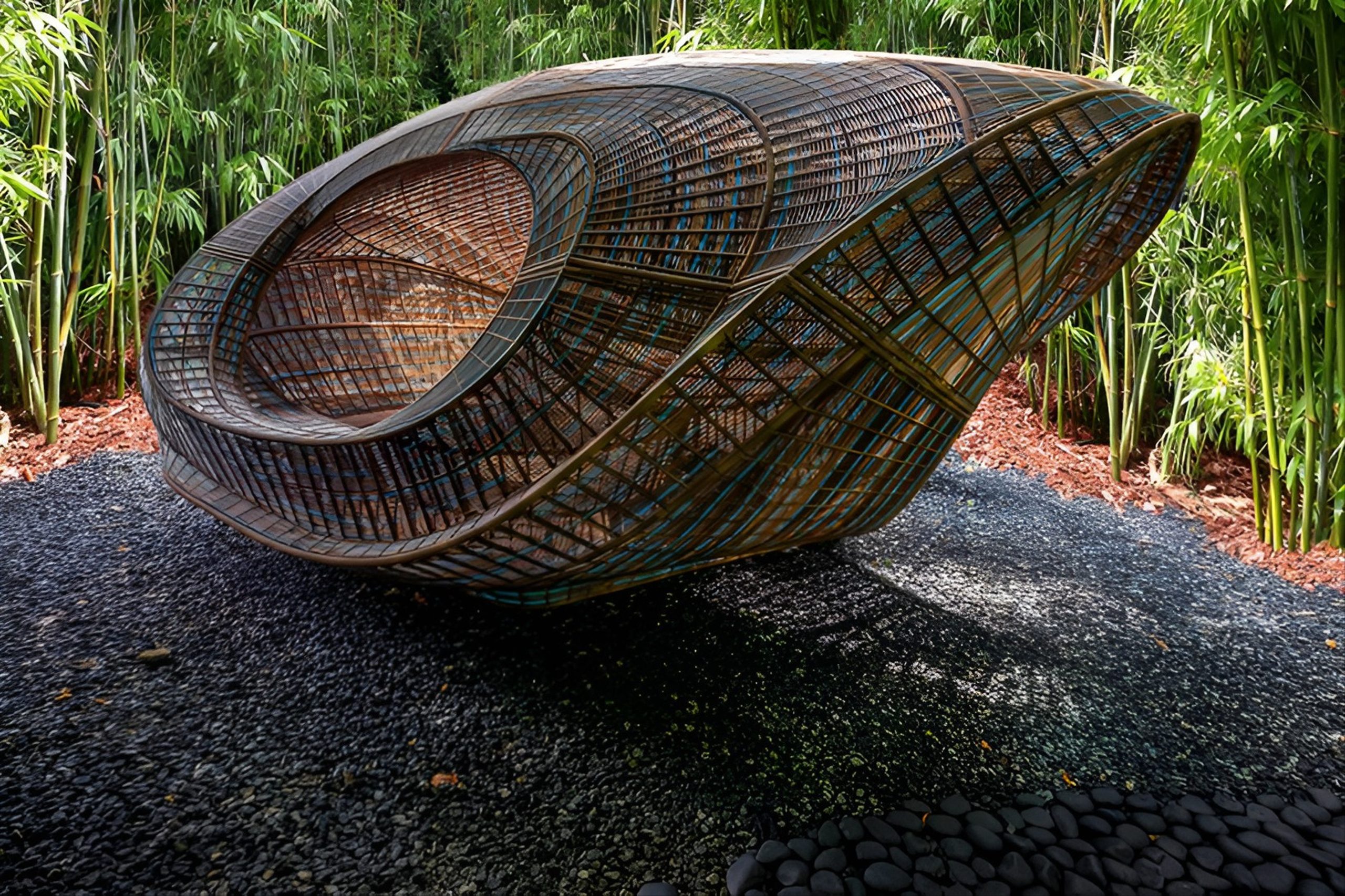
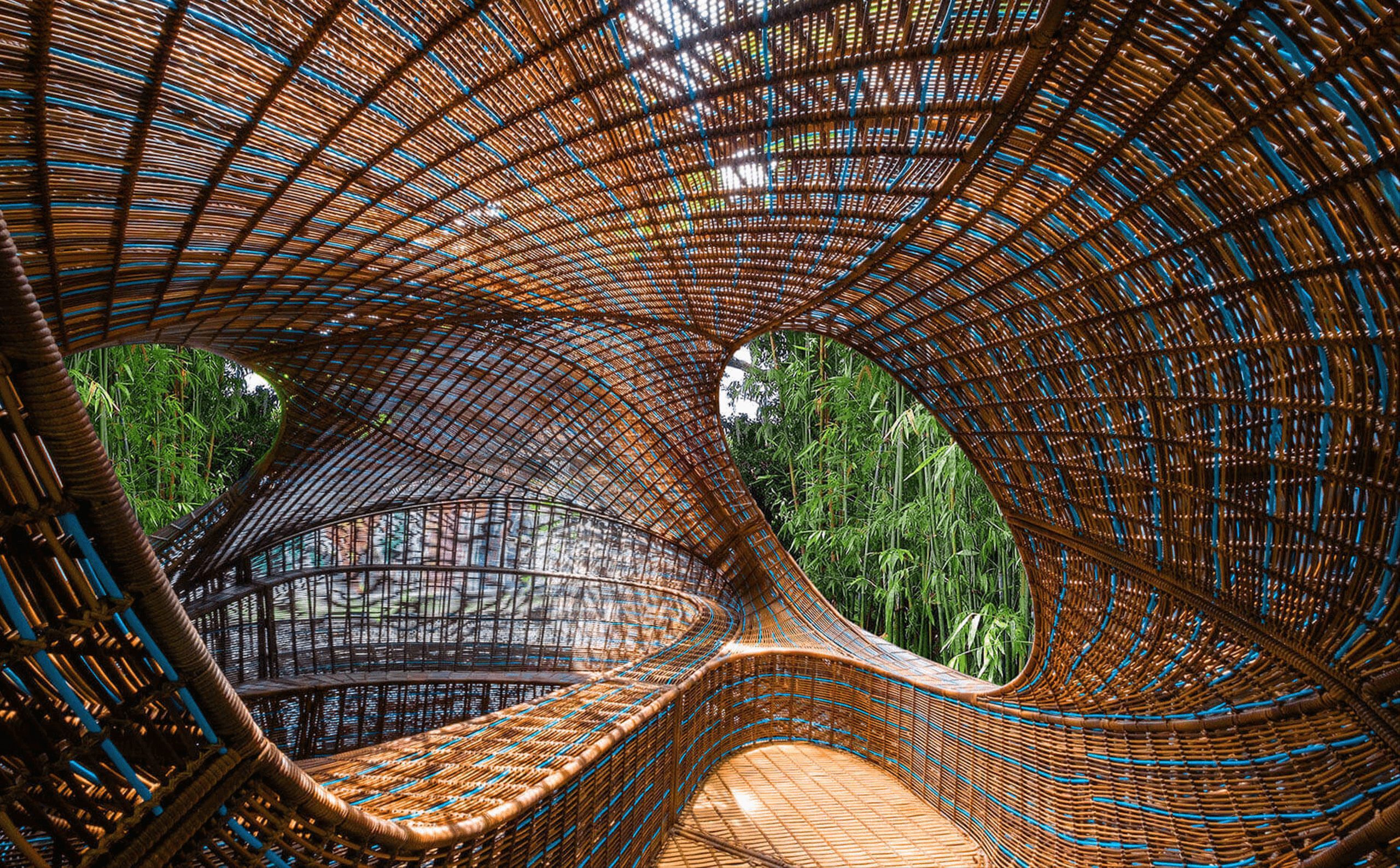
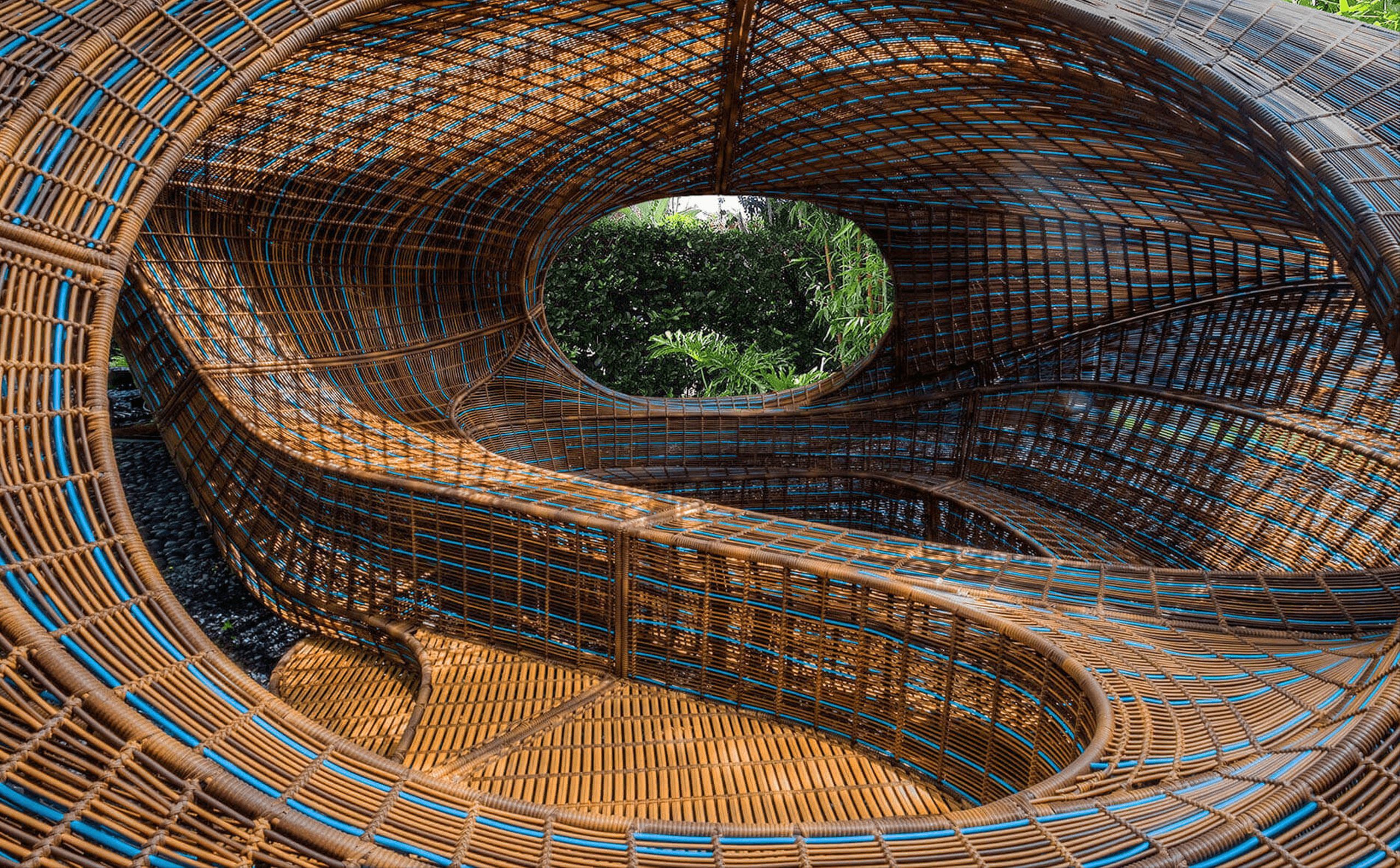
Dimensions: L 5.70 m × W 4.10 m × H 2.60 m
Floor area: 15 m²
Provenance:
Private collection
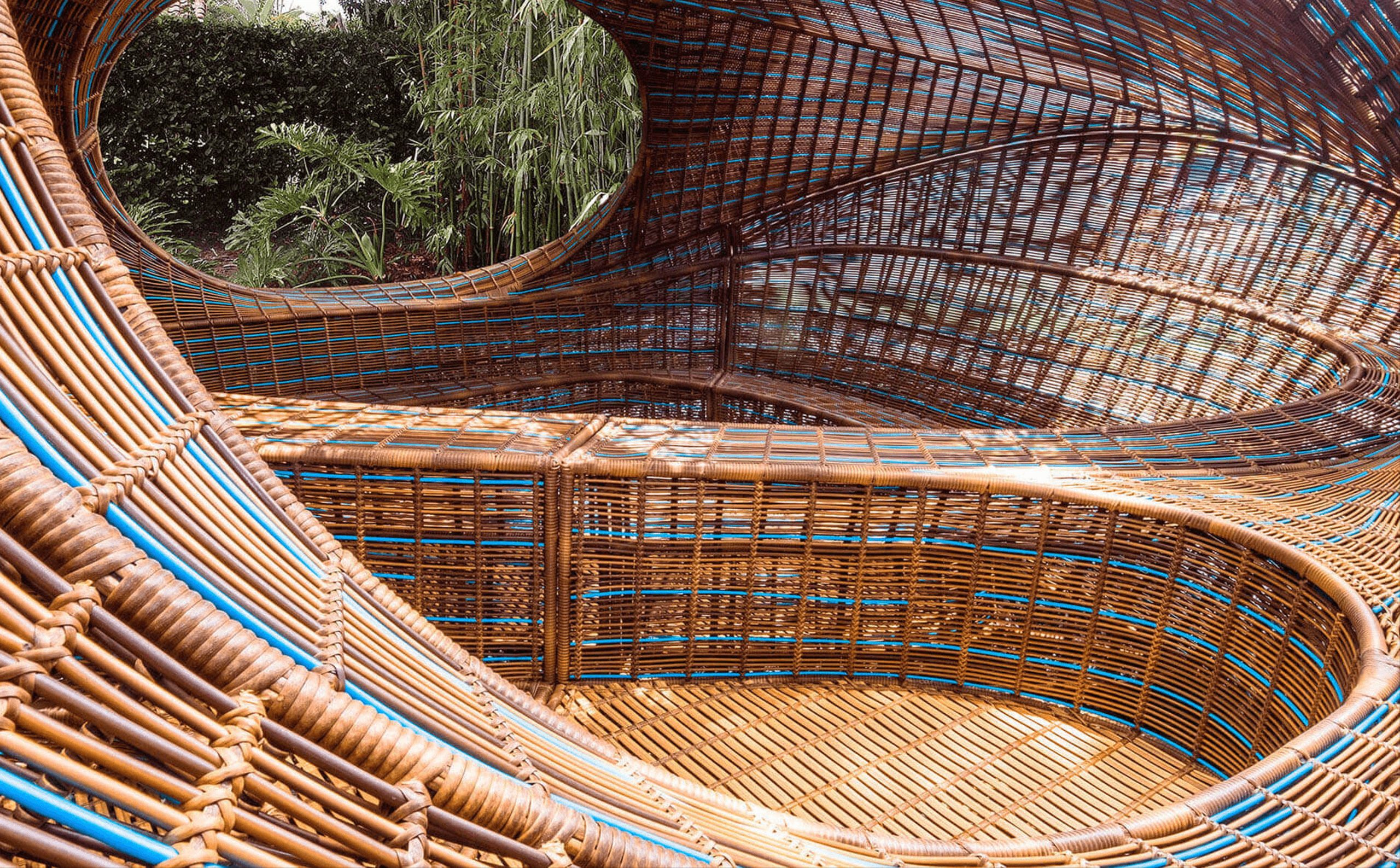
The Ellipsicoon by Ben van Berkel is conceived as a secluded architectural retreat, delicately balancing openness and enclosure, light and shadow, and the relationship between interior and exterior. Designed as a place to pause, read, reflect or simply disconnect, it offers an intimate setting for both solitary contemplation and quiet conversation.
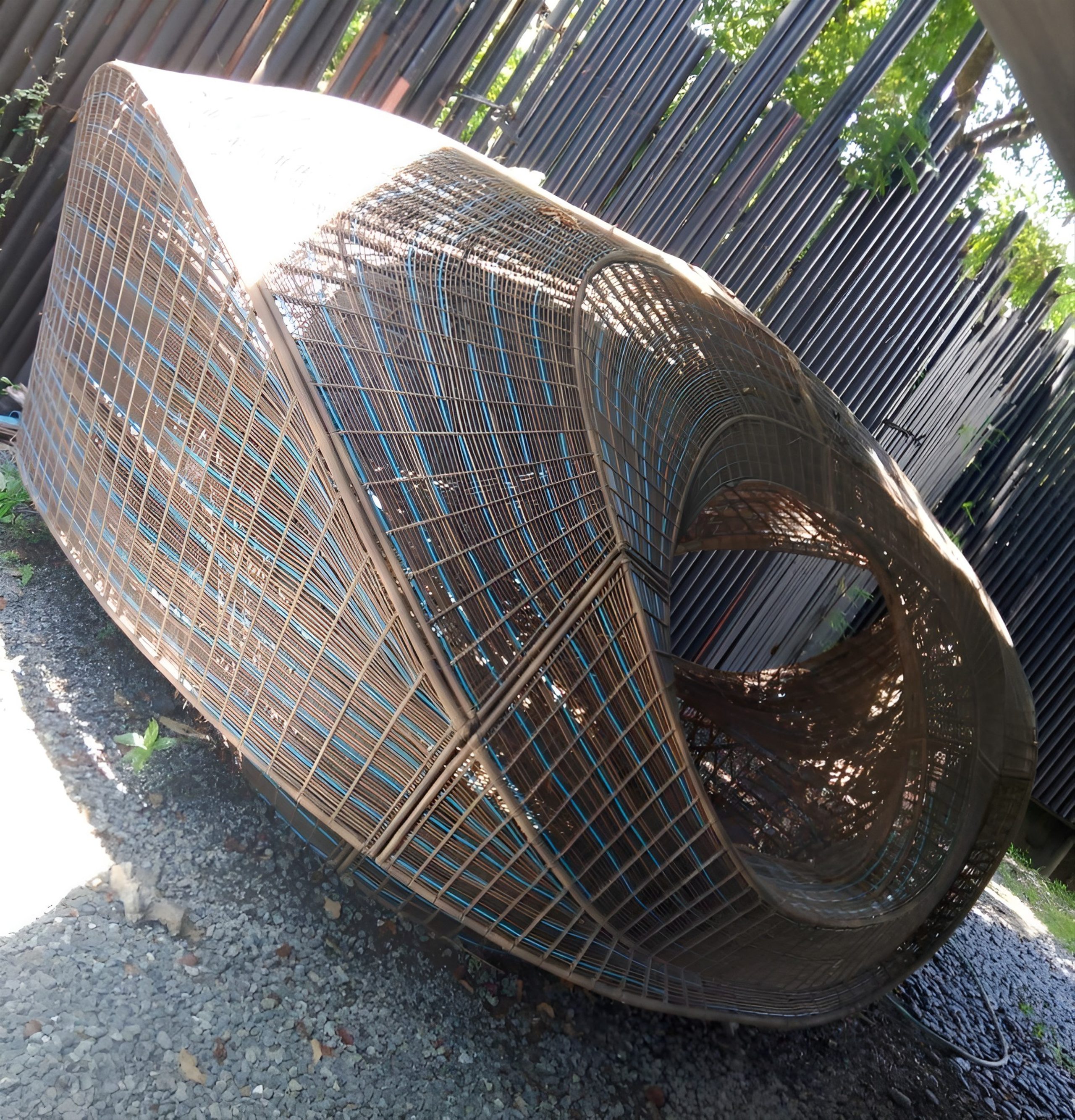
More than a pavilion, the Ellipsicoon is conceived as a temporary escape from the routines of everyday life — a private extension of the home immersed in its natural surroundings. Its continuous, sculptural form is created from woven strands of 100% recyclable high-density polyethylene (HDPE), resulting in a lightweight yet distinctive architectural envelope.
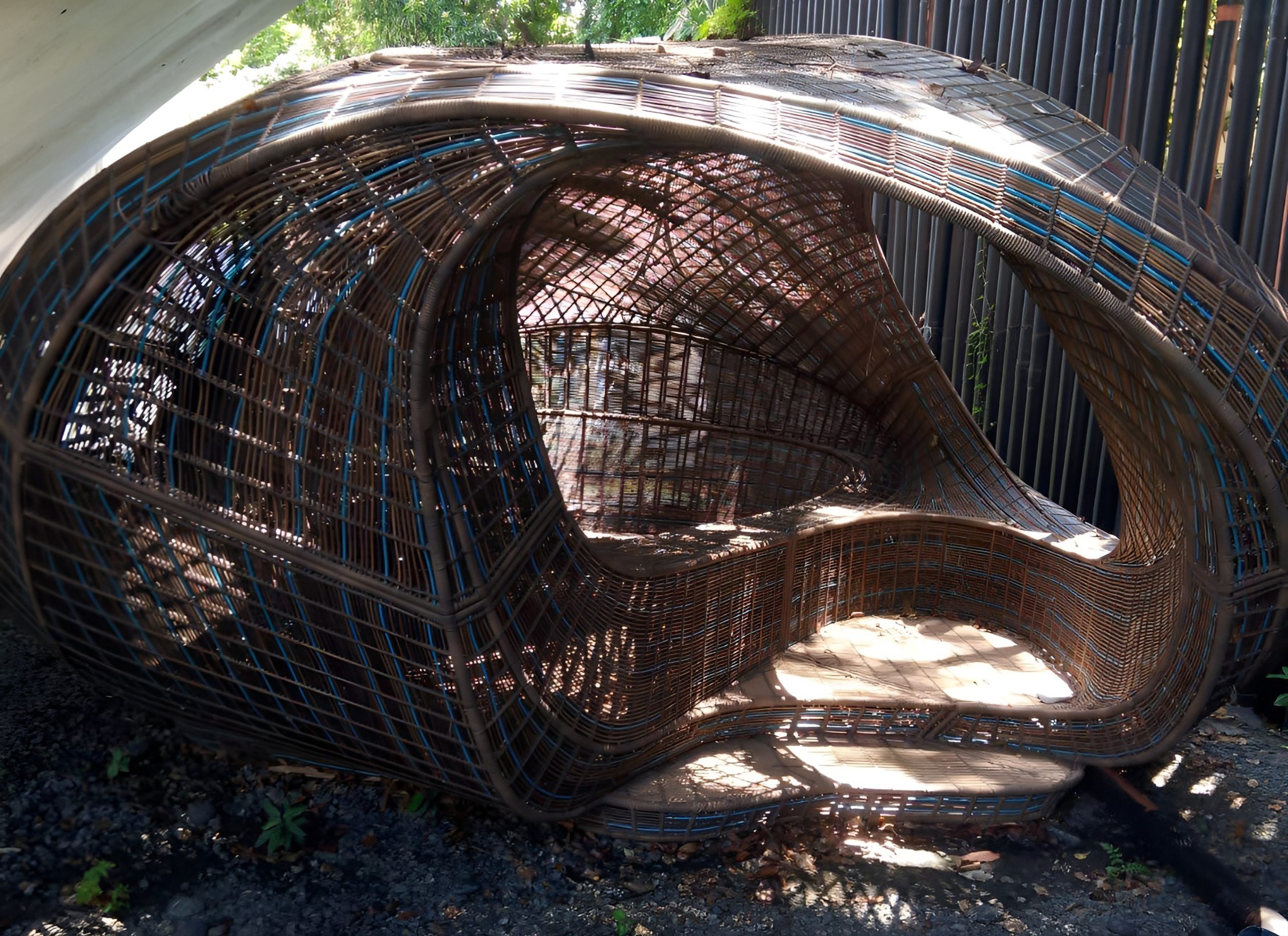
The structure rises in gently tapering curves, creating a series of elliptical openings that blur the boundary between inside and outside. These openings allow natural light and views of the surrounding landscape to penetrate the interior, while the enveloping geometry provides a sense of privacy and protection.
Accessed by a slightly raised entrance, the interior descends into a sunken seating area integrated seamlessly into the architecture. Built-in upholstered seating follows the flowing contours of the pavilion, creating both open and more sheltered areas. The elliptical apertures are carefully positioned to frame selected views of the surrounding environment while bringing daylight deep into the space.
The Ellipsicoon reflects Ben van Berkel's ongoing interest in architecture as a means of creating alternative experiences of space and time. By temporarily separating the user from the demands and distractions of everyday life, the pavilion becomes a contemplative environment in which nature, imagination and introspection can take precedence.
Ben van Berkel is a renowned Dutch architect and co-founder, with Caroline Bos, of UNStudio, established in Amsterdam in 1998. His practice combines architecture, design, urban planning and infrastructure, with a particular interest in innovative forms and the interaction between people, space and movement.
Among his best-known projects are the Erasmus Bridge in Rotterdam, the Mercedes-Benz Museum in Stuttgart, the Arnhem Central Station and the MUMUTH music theatre in Graz. Alongside his architectural practice, van Berkel has taught and lectured internationally, contributing significantly to contemporary architectural discourse.